The Hazara Resistance at Guldara: A Battle That History Forgot
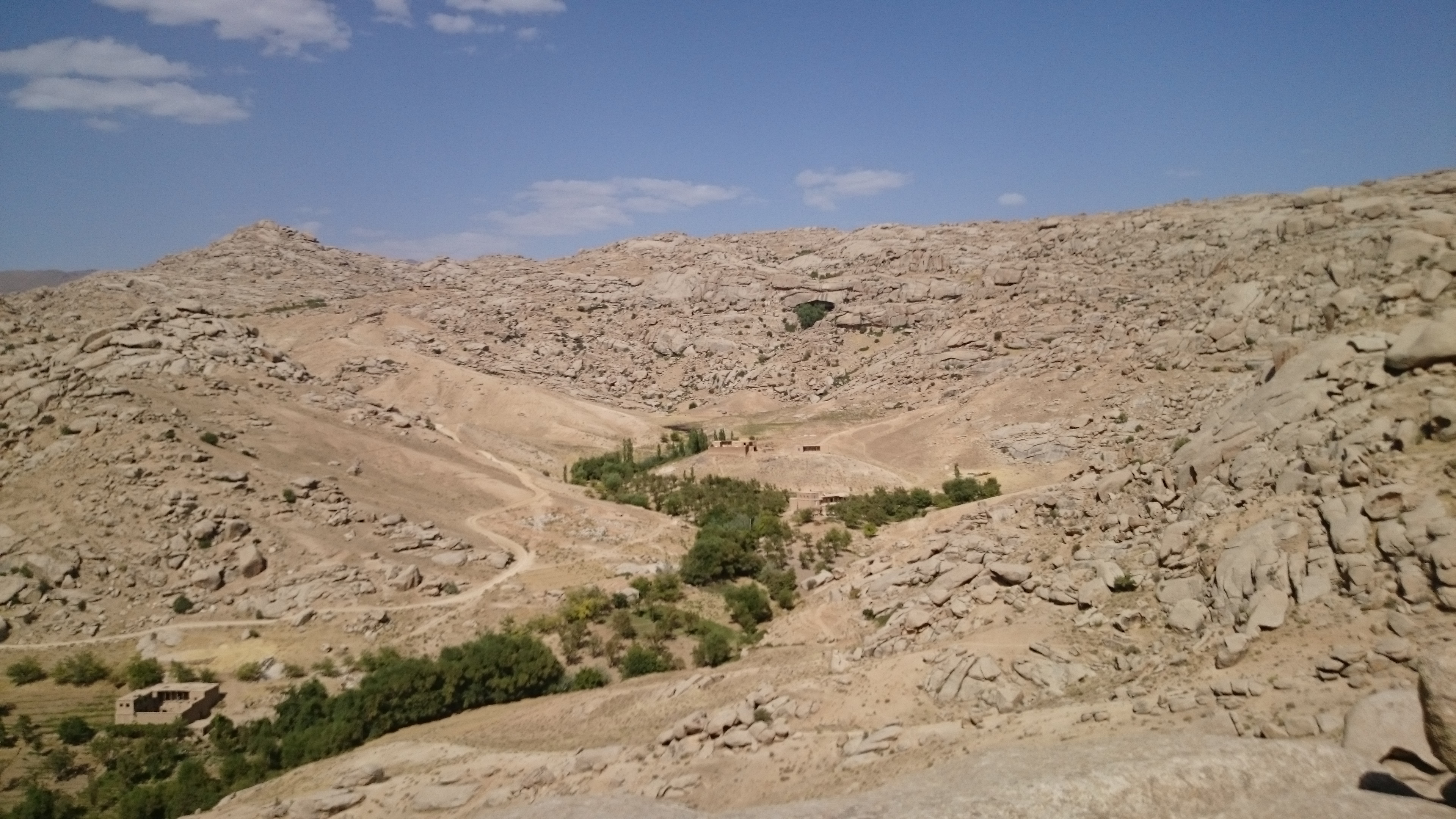
In the mountains of central Afghanistan, in the 1880s and 1890s, a series of armed uprisings unfolded that would reshape the Hazara people for generations. These were not scattered skirmishes. They were organized, sustained acts of resistance against an Amir who had declared their extermination a religious duty. The Hazara rose up at least three times. Each time, they were defeated. And each defeat was followed by a wave of killing, enslavement, and dispossession that fundamentally altered who they were as a people and where they stood within the Afghan state. Almost none of this appears in English-language history. This article attempts to recover it.
The Amir Who Would Unify Afghanistan by Force
Abdur Rahman Khan came to power as Emir of Afghanistan in 1880, in the immediate aftermath of the Second Anglo-Afghan War. The Treaty of Gandamak had ceded Afghanistan's foreign policy to the British but granted the new Amir internal autonomy. Abdur Rahman used that autonomy methodically. His stated goal was national consolidation - bringing the semi-autonomous regions of Turkistan, Hazarajat, and Kafiristan under the authority of Kabul. The method was force, frequently extreme.
Abdur Rahman is often described in Western sources as a modernizer and a strong state-builder - the "Iron Amir." His own two-volume memoir, The Life of Abdur Rahman, published in 1900 and edited by Sultan Mahomed Khan, presents a narrative of rational statecraft. What that account minimizes is the scale of violence deployed against communities resisting centralization and the specifically ethnic and sectarian character of the campaigns against the Hazara. Abdur Rahman's consolidation was not merely political; it was, in the Hazarajat, systematically targeting a particular group.
The Hazarajat - the high central plateau of Afghanistan, encompassing areas that now form parts of Bamyan, Daikundi, Uruzgan, Ghazni, and Wardak provinces - had long maintained a degree of internal autonomy. It was rugged terrain, difficult to administer, inhabited by predominantly Shia Muslim Hazara communities who had their own tribal structures and leadership. From the early 1880s, Abdur Rahman moved to end that autonomy. He imposed taxes, demanded military conscription, and sent administrators into Hazara territory with wide powers of enforcement.
Why the Hazara Rose Up
The grievances that drove the uprisings were concrete and cumulative. Abdur Rahman imposed a heavy tax burden on Hazara communities - including a per-person head tax (nafs tax), land levies, and arbitrary exactions by the administrators he placed in occupied villages. Land was confiscated and redistributed to Pashtun nomads (Kuchi). Hazara men were subject to forced conscription. Local chiefs were stripped of authority, arrested, or executed. Hazara communities were disarmed - a particularly consequential measure in a region where weapons were central to communal defense and daily life.
There was also a religious dimension that Abdur Rahman deliberately weaponized. The Hazara are predominantly Shia Muslims. Abdur Rahman, governing in the name of Sunni Islam, used sectarian framing to delegitimize Hazara resistance. He and the clerics aligned with his court issued decrees characterizing Shia Hazaras as heretics - not Muslims but unbelievers. A royal decree instructed clerics to announce after Friday prayers that Shia Hazaras could be exterminated or enslaved. He promised participating forces the land, property, women, and children of the Hazaras as legitimate spoils. This is documented in both contemporary Afghan sources and in the reports of British observers stationed in or near the region.
The combination - punishing taxation, land confiscation, forced conscription, disarmament, and religious delegitimization - created conditions that made armed resistance, however asymmetric, a rational choice for Hazara communities with no other recourse.
The First Uprising: 1888-1890
The initial uprising emerged in 1888, partly in connection with a broader dynastic conflict. When Abdur Rahman's cousin Mohammad Eshaq revolted against him, tribal leaders of the Sheikh Ali Hazaras - a major Hazara tribe in the northern Hazarajat - allied with the revolt. The reasoning was tactical as much as principled: any challenger to Abdur Rahman was a potential counterweight to the policies bearing down on them.
The revolt was short-lived. Abdur Rahman suppressed the Eshaq rebellion and turned his attention fully to the Sheikh Ali Hazaras. He exploited internal divisions within the community - pitting Sunni Hazara factions against Shia Hazara factions, making selective pacts, fragmenting the resistance. Chiefs Sawar Khan and Syed Jafar Khan continued to fight but were eventually defeated. Syed Jafar, chief of the Sheikh Ali Hazara tribe, was arrested and imprisoned in Mazar-e-Sharif. Afghan administrators moved into occupied areas. Taxes were imposed, villages looted, weapons seized, and better agricultural lands confiscated and handed to Kuchi nomads.
The pattern established in 1888-1890 would repeat, with greater intensity, in what followed.
The Second Uprising: Spring 1892
The second uprising broke out in the spring of 1892 under circumstances that illustrate how immediate and local triggers could ignite a broader revolt. According to Afghan historian Sayed Askar Mousavi, whose 1998 study The Hazaras of Afghanistan remains a standard reference, the immediate cause was an assault on the wife of a Hazara chieftain by Afghan soldiers. The chieftain's family - and the family of the wife - killed the soldiers responsible and attacked the local garrison. The incident spread. Several tribal leaders who had previously aligned with or tolerated Abdur Rahman reversed position and joined the rebellion. Within a short period, the uprising had spread across much of the Hazarajat.
The fighting at Uruzgan in August 1892 represents one of the most documented military engagements of the uprisings. On August 9, 1892, Uruzgani Hazara fighters defeated an Afghan government force under Brigadier Zabardast Khan decisively. When news of that defeat reached the government, Zabardast Khan's brother Faiz Mohammad Khan assembled a second force and marched on Uruzgan. That force too suffered significant losses - reportedly around 1,000 men - and Faiz Mohammad Khan and his remaining troops were besieged in a nearby Afghan fort. After approximately a month under siege, he surrendered to the Hazara.
These were genuine battlefield victories, achieved against professional government forces. They are not in the English-language canon of 19th-century Afghan history. Guldara and the broader Hazarajat zone saw fighting in this period as well, though detailed records of engagements outside Uruzgan are sparse in available English-language sources. Guldara, located in what is now Kabul Province, sat within the arc of territory Abdur Rahman's forces moved through in consolidating control over the region north of Kabul - a zone with documented Hazara resistance activity.
The Final Uprising and Its Defeat: 1893
The third and final major uprising began in early 1893, again triggered in large part by excessive and arbitrary taxation. This revolt surprised government forces with its speed and scope; Hazara fighters briefly recovered control over significant portions of the Hazarajat. But Abdur Rahman's response was overwhelming. He declared a formal jihad against the Shia Hazaras, mobilizing what sources describe as an army of up to 40,000 soldiers, 10,000 mounted troops, and approximately 100,000 armed civilians - the majority Pashtun nomads who had material incentives in the form of promised Hazara lands and property.
The decisive engagement came at Uruzgan in 1893. The Hazara were defeated at the center of their resistance. The uprising collapsed. What followed was not merely pacification - it was systematic destruction.
The Repression: Mass Killing, Enslavement, and Dispossession
The scale of what happened after the final defeat is the aspect of this history most likely to be entirely absent from any English-language account a reader might have encountered. Contemporary sources - Afghan, British Indian, and others - document it in enough detail to establish its basic character.
Fayz Muhammad Katib, a Hazara scholar who served as court chronicler under Amir Habibullah Khan (Abdur Rahman's successor), compiled the multi-volume Siraj al-Tawarikh (Lamp of Histories), which constitutes one of the most important primary sources for this period. Writing under the constraints of court employment, Katib nonetheless recorded accounts of widespread "slaughter and assault" across Hazara territories - the destruction of villages, the ruin of agricultural infrastructure, mass killing, and the enslavement of men, women, and children on a large scale. His account is not neutral - it was written in a court context, and scholars have debated what it omits and what it emphasizes - but its documentation of the scale of violence is broadly consistent with other sources.
British India colonial records provide an external corroboration. The Kabul Newsletters - written by British agents operating in or near Afghanistan - characterize Abdur Rahman as ruthless in his methods. Dr. John Alfred Gray, a British physician who served as personal doctor to Abdur Rahman Khan, documented seeing groups of Hazara women being marched through Kabul under military guard. He recorded that they became so numerous in the capital that the Amir would reward loyal servants and officers with them. British observers noted that the Amir had issued a decree legitimizing the enslavement of Hazaras and that the government levied taxes on slave sales - formal state involvement in the slave trade.
Estimates of the number of Hazara women enslaved in Kabul alone reach 9,000. Formal abolition of slavery in Afghanistan did not come until King Amanullah Khan's reign, in 1923.
Land confiscation followed the military campaigns. On April 11, 1894, orders were issued to confiscate all grazing lands in the Hazarajat. These were redistributed to Pashtun nomad leaders. Agricultural lands under Hazara cultivation were also seized. Entire Hazara tribal communities were forcibly displaced from their territories - the Uruzgani Hazaras were expelled from Uruzgan, with Afghan tribes resettled in their place. The land dispossession of the 1890s structured Hazara economic marginalization in central Afghanistan for decades to come.
Scholars today disagree about the precise population figures and a note of honesty is appropriate here: the evidentiary record is incomplete. Contemporary demographic data for this period does not exist in any systematic form. But the scholarly consensus - including Mehdi J. Hakimi's 2024 analysis in the Harvard Human Rights Journal, which undertakes the first examination of these events against international law - is that at least sixty percent of the Hazara population was killed, enslaved, or forcibly displaced during and after the uprisings. Some estimates place the pre-1880 Hazara share of Afghanistan's total population as high as two-thirds. By the early 20th century, they were a minority. The demographic shift was catastrophic and structural, not incidental.
What Was Lost and What Endured
The Hazarajat uprisings of 1888-1893 produced specific and lasting material consequences. The tribal leadership structures that had governed Hazara communities were dismantled - chiefs arrested, executed, or brought to Kabul as hostages. The weaponry that had enabled self-defense was confiscated. The land base that had sustained Hazara agricultural and pastoral life was redistributed to others. And the religious framing Abdur Rahman deployed - Hazaras as heretics, as legitimate targets of jihad - was not simply wartime propaganda. It entered the broader cultural and legal fabric of the Afghan state in ways that persisted long after his death in 1901.
The memory of this period did not disappear from Hazara communities. It remained, transmitted through oral traditions and, eventually, through the scholars who recovered it in writing. Fayz Muhammad Katib's Siraj al-Tawarikh is one such recovery, written from within the court that succeeded the perpetrator. Sayed Askar Mousavi's 1998 study brought the history into English-language academic circulation. Mehdi Hakimi's recent legal scholarship has begun to frame what happened in terms of international law and genocide convention definitions.
The uprisings themselves are evidence of something important: the Hazara did not accept what was being done to them passively. They organized, fought, won individual battles, and held out against a far larger and better-supplied enemy across three distinct cycles of revolt spanning five years. That record of resistance is part of what this period means - not only the devastation that followed but the scale of what the Hazara mounted before they were finally overwhelmed.
For those encountering this history for the first time - in any language - the central difficulty is the near-total absence of detailed English-language accounts of specific engagements, specific leaders, and specific locations. The Battle of Uruzgan in August 1892 is partially documented. Guldara and many other sites of resistance remain almost invisible in the historiography. Much of the detailed record survives, if it survives at all, in Dari-language sources, in the contested pages of Siraj al-Tawarikh, and in the administrative records of British India that have not been systematically translated or synthesized. That is not a reason to omit the history - it is a reason to name the gap honestly and to treat what we do know with the seriousness it deserves.
The 1890s are not prologue. They are origin. The political identity of Hazara communities in Afghanistan and around the world - the insistence on being seen, on having history named and acknowledged - did not emerge from nothing. It emerged, in substantial part, from a period when the Afghan state attempted to eliminate Hazara political existence entirely, and failed to do so completely, because the Hazara refused to disappear.
Sources and Further Reading
The following sources informed this article and are recommended for readers who want to go further:
- Sayed Askar Mousavi, The Hazaras of Afghanistan: An Historical, Cultural, Economic and Political Study (1998) - the key English-language scholarly study of Hazara history, covering the 1888-1893 uprisings in detail.
- Fayz Muhammad Katib, Siraj al-Tawarikh (Lamp of Histories) - multi-volume primary source in Dari; the court chronicle of Amir Habibullah Khan's reign, with significant documentation of the Abdur Rahman period. Partial translations and scholarly commentary are available.
- Mehdi J. Hakimi, "The Afghan State and the Hazara Genocide," Harvard Human Rights Journal, Vol. 37 (2024) - the first systematic legal analysis of the 1890s events against international law frameworks.
- Mehdi J. Hakimi, "Relentless Atrocities: the Persecution of Hazaras," Michigan Journal of International Law, Vol. 44 (2023).
- Abdur Rahman Khan, The Life of Abdur Rahman, Amir of Afghanistan (1900, ed. Sultan Mahomed Khan) - the Amir's own account; useful as a primary source for his perspective and framing, not as a neutral record.
- Encyclopedia MDPI entry on the 1888-1893 Uprisings of Hazaras - a useful summary of documented events with citations.
- Minority Rights Group International, "Hazaras in Afghanistan" - accessible overview of historical and contemporary persecution patterns.
Note on sources: English-language scholarship on the specific military engagements of the Hazara uprisings is limited. The most detailed accounts appear in Dari-language sources and in British India colonial administrative records (Kabul Newsletters, India Office Records) that have not been fully synthesized in academic publications. Casualty and demographic estimates from this period are contested; the 60 percent figure cited in this article represents scholarly consensus as synthesized by Hakimi (2024) and Mousavi (1998), not a figure derivable from contemporaneous census data, which did not exist.
Related
ترجمه فارسی
مقاومت هزاره در گلدره: نبردی که تاریخ از یاد برد
در کوههای مرکزی افغانستان، در دهۀ ۱۸۸۰ و ۱۸۹۰، رشتهای از قیامهای مسلحانه رخ داد که سرنوشت مردم هزاره را برای نسلها بازنگاری کرد. اینها درگیریهای پراکنده نبودند. اینها اعمال سازمانیافته و پایدار مقاومت در برابر امیری بودند که نابودی آنها را وظیفۀ دینی اعلام کرده بود. هزاره دستکم سه بار قیام کرد. هر بار شکست خورد. و هر شکست با موجی از کشتار، بردهگیری و سلب مالکیت دنبال شد که آنچه را آنان به عنوان یک ملت بودند و در دولت افغانستان در کجا ایستاده بودند، بهطور بنیادین دگرگون کرد. تقریباً هیچیک از اینها در تاریخنگاری انگلیسیزبان دیده نمیشود. این نوشته میکوشد آن را بازیابد.
امیری که میخواست افغانستان را به زور یکپارچه کند
عبدالرحمن خان در ۱۸۸۰، بلافاصله پس از جنگ دوم انگلیس-افغان، بهعنوان امیر افغانستان به قدرت رسید. معاهدۀ گندمک سیاست خارجی افغانستان را به بریتانیا واگذار کرده بود اما به امیر تازه خودمختاری داخلی داده بود. عبدالرحمن از این خودمختاری بهطور منظم استفاده کرد. هدف اعلامشدۀ او یکپارچهسازی ملی بود - آوردن مناطق نیمهخودمختار ترکستان، هزارجات و کافرستان زیر اقتدار کابل. روش، زور بود، و اغلب در حد افراط.
عبدالرحمن در منابع غربی اغلب بهعنوان یک نوگرا و دولتساز نیرومند توصیف میشود - «امیر آهنین». خاطرات دوجلدی خودش، زندگی عبدالرحمن، که در ۱۹۰۰ منتشر و توسط سلطان محمد خان ویرایش شد، روایتی از حکومتداری عقلانی ارائه میدهد. آنچه این روایت کوچک مینماید، مقیاس خشونتی است که علیه جوامع مقاوم در برابر تمرکزگرایی بهکار رفت و خصلتِ بهطور خاص قومی و فرقهای کارزارهای ضدِ هزاره. یکپارچهسازی عبدالرحمن صرفاً سیاسی نبود؛ در هزارجات، بهطور سیستماتیک یک گروه خاص را هدف میگرفت.
هزارجات - فلات مرتفع مرکزی افغانستان، که مناطقی را که اکنون بخشهایی از ولایات بامیان، دایکندی، اروزگان، غزنی و وردک را تشکیل میدهد در بر میگرفت - مدتها بود که درجهای از خودمختاری داخلی را حفظ کرده بود. سرزمینی صعبالعبور، ادارهاش دشوار، و ساکن جوامع هزارۀ غالباً شیعهمسلمان بود که ساختارهای قبیلهای و رهبری خاص خود را داشتند. از اوایل دهۀ ۱۸۸۰، عبدالرحمن به سوی پایاندادن به آن خودمختاری حرکت کرد. مالیات وضع کرد، سربازگیری اجباری خواست، و مدیرانی را با اختیارات گستردۀ اجرا به سرزمین هزاره فرستاد.
چرا هزاره قیام کرد
گلهمندیهایی که قیامها را پیش راند، مشخص و انباشته بودند. عبدالرحمن بار سنگین مالیاتی را بر جوامع هزاره وضع کرد - شامل مالیات سرانه (مالیات نفوس)، عوارض زمین، و باجخواهیهای دلبخواهی توسط مدیرانی که در قریههای اشغالشده گمارده بود. زمین مصادره و میان کوچیهای پشتون توزیع شد. مردان هزاره در معرض سربازگیری اجباری بودند. رهبران محلی از اقتدار خلع، دستگیر یا اعدام شدند. جوامع هزاره خلعسلاح شدند - اقدامی بهطور خاص پرپیامد در منطقهای که اسلحه برای دفاع جمعی و زندگی روزانه محوری بود.
بُعد دینی نیز وجود داشت که عبدالرحمن آن را بهطور عامدانه ابزار جنگ کرد. هزاره عمدتاً شیعهمسلمان هستند. عبدالرحمن، که به نام اسلام سنی حکومت میکرد، از چارچوب فرقهای استفاده کرد تا مقاومت هزاره را غیرمشروع جلوه دهد. او و علمای همسو با دربارش فرمانهایی صادر کردند که شیعیان هزاره را کافر معرفی میکرد - نه مسلمان، که کافر. یک فرمان شاهی به علما دستور میداد پس از نماز جمعه اعلام کنند که شیعیان هزاره را میتوان نابود یا برده کرد. او به نیروهای شرکتکننده زمین، اموال، زنان و کودکان هزاره را بهعنوان غنیمت مشروع وعده داد. این موضوع هم در منابع همان دورۀ افغانستان و هم در گزارشهای ناظران بریتانیایی مستقر در منطقه یا نزدیک آن ثبت شده است.
این ترکیب - مالیات تنبیهی، مصادرۀ زمین، سربازگیری اجباری، خلعسلاح، و سلب مشروعیت دینی - شرایطی را پدید آورد که در آن مقاومت مسلحانه، هرچند نامتقارن، یک انتخاب عقلانی برای جوامع هزارهای بود که راه دیگری نداشتند.
نخستین قیام: ۱۸۸۸-۱۸۹۰
قیام نخستین در ۱۸۸۸ ظاهر شد، تا اندازهای در پیوند با یک منازعۀ گستردهتر سلسلهای. وقتی پسرکاکای عبدالرحمن، محمد اسحاق، علیه او شورش کرد، رهبران قبیلۀ هزارههای شیخ علی - یک قبیلۀ بزرگ هزاره در شمال هزارجات - با شورش همپیمان شدند. استدلال هم تاکتیکی بود و هم اصولی: هر مدعیای علیه عبدالرحمن، توازن بالقوهای در برابر سیاستهایی بود که بر آنان فشار میآورد.
شورش کوتاهمدت بود. عبدالرحمن شورش اسحاق را سرکوب کرد و توجه خود را بهطور کامل به هزارههای شیخ علی متمرکز کرد. او از اختلافات درونی جامعه بهرهبرداری کرد - جناحهای سنی هزاره را علیه جناحهای شیعۀ هزاره به جان هم انداخت، پیمانهای گزینشی بست، مقاومت را خرد کرد. سوارهخان و سید جعفر خان همچنان جنگیدند اما در نهایت شکست خوردند. سید جعفر، رئیس قبیلۀ هزاره شیخ علی، دستگیر و در مزار شریف زندانی شد. مدیران افغانستان به مناطق اشغالی وارد شدند. مالیات وضع شد، قریهها غارت شدند، اسلحهها گرفته شدند، و زمینهای زراعی بهتر مصادره و به کوچیهای نومد سپرده شد.
الگوی برقرارشده در ۱۸۸۸-۱۸۹۰ در آنچه پی آمد، با شدت بیشتر تکرار میشد.
قیام دوم: بهار ۱۸۹۲
قیام دوم در بهار ۱۸۹۲ زیر شرایطی شکست که نشان میدهد چگونه محرکهای فوری و محلی میتوانستند شورش گستردهتری را شعلهور کنند. بر اساس سید عسکر موسوی، مورخ افغانستانی، که مطالعۀ ۱۹۹۸ او هزارههای افغانستان مرجع استاندارد باقی مانده، علت فوری حمله به همسر یک رئیس هزاره توسط سربازان افغانستان بود. خانوادۀ آن رئیس - و خانوادۀ آن زن - سربازان مسئول را کشتند و به پادگان محلی حمله بردند. این رویداد گسترش یافت. چندین رهبر قبیلهای که پیشتر با عبدالرحمن همسو بودند یا او را تحمل میکردند، موضع را برگرداندند و به شورش پیوستند. در زمان کوتاهی، قیام بخش بزرگی از هزارجات را در بر گرفت.
نبرد اروزگان در اگست ۱۸۹۲ یکی از مستندترین درگیریهای نظامی قیامها را نشان میدهد. در ۹ اگست ۱۸۹۲، جنگجویان هزارۀ اروزگانی نیروی دولتی افغانستان زیر فرماندهی بریگاد جنرال زبردست خان را بهطور قاطع شکست دادند. وقتی خبر این شکست به دولت رسید، برادر زبردست خان، فیض محمد خان، نیروی دومی جمع کرد و به سوی اروزگان حرکت کرد. آن نیرو هم تلفات چشمگیری دید - گزارششده در حدود ۱٬۰۰۰ مرد - و فیض محمد خان و سربازان باقیماندهاش در یک قلعۀ افغانستان در نزدیکی محاصره شدند. پس از تقریباً یک ماه محاصره، او به هزاره تسلیم شد.
اینها پیروزیهای واقعی میدان نبرد بودند، که علیه نیروهای حرفهای دولتی به دست آمدند. اینها در کانون انگلیسیزبانِ تاریخ افغانستان قرن نوزدهم نیستند. گلدره و منطقۀ گستردهتر هزارجات نیز در این دوره شاهد نبرد بودند، هرچند سوابق مفصل درگیریهای بیرون از اروزگان در منابع انگلیسیزبان موجود کمیاب است. گلدره، که اکنون در ولایت کابل قرار دارد، در قوس سرزمینی نشسته بود که نیروهای عبدالرحمن در تحکیم کنترل بر منطقۀ شمال کابل از آن گذشتند - منطقهای با فعالیت مقاومت هزارۀ مستند.
آخرین قیام و شکست آن: ۱۸۹۳
سومین و آخرین قیام بزرگ در اوایل ۱۸۹۳ آغاز شد، باز هم تا حد زیادی توسط مالیات مفرط و دلبخواهی برانگیخته شد. این شورش با سرعت و دامنهاش نیروهای دولتی را غافلگیر کرد؛ جنگجویان هزاره بهطور کوتاهمدت کنترل بخشهای چشمگیری از هزارجات را پس گرفتند. اما پاسخ عبدالرحمن کوبنده بود. او یک جهاد رسمی علیه شیعیان هزاره اعلام کرد، و آنچه منابع توصیف میکنند را بسیج کرد: ارتشی شامل تا ۴۰٬۰۰۰ سرباز، ۱۰٬۰۰۰ سپاهی سواره، و حدود ۱۰۰٬۰۰۰ غیرنظامی مسلح - اکثریتی از کوچیهای پشتون که انگیزههای مادی در قالب وعدۀ زمین و اموال هزاره داشتند.
نبرد قطعی در اروزگان در ۱۸۹۳ رخ داد. هزاره در مرکز مقاومت خود شکست خورد. قیام فروپاشید. آنچه پی آمد صرفاً آرامسازی نبود - نابودی سیستماتیک بود.
سرکوب: کشتار دستهجمعی، بردهگیری، و سلب مالکیت
مقیاس آنچه پس از شکست نهایی رخ داد، آن جنبهای از این تاریخ است که به احتمال زیاد بهطور کامل از هر گزارش انگلیسیزبانی که خوانندهای ممکن است با آن روبهرو شده باشد، غایب است. منابع همان دوره - افغانستان، هند بریتانیایی و دیگران - آن را با جزئیات کافی برای برقراری خصلت اصلیاش ثبت کردهاند.
فیض محمد کاتب، یک پژوهشگر هزاره که بهعنوان مورخ دربار زیر امیر حبیبالله خان (جانشین عبدالرحمن) خدمت میکرد، چندجلدی سراجالتواریخ (چراغ تاریخها) را گردآوری کرد، که یکی از مهمترین منابع نخستین برای این دوره را تشکیل میدهد. کاتب با وجود محدودیتهای شغل دربار، گزارشهایی از «کشتار و تجاوز» گسترده در سراسر سرزمینهای هزاره ثبت کرد - تخریب قریهها، ویرانی زیرساخت زراعتی، کشتار دستهجمعی، و بردهگیری مردان، زنان و کودکان در مقیاس بزرگ. روایت او بیطرف نیست - در بافت دربار نوشته شده و پژوهشگران دربارۀ آنچه حذف میکند و آنچه برجسته میسازد بحث کردهاند - اما ثبت مقیاس خشونت در آن، بهطور کلی با دیگر منابع همخوان است.
سوابق استعماری هند بریتانیایی تأیید بیرونی فراهم میکند. Kabul Newsletters - که توسط مأموران بریتانیایی مستقر در یا نزدیک افغانستان نوشته میشد - عبدالرحمن را در روشهایش بیرحم توصیف میکند. Dr. John Alfred Gray، یک طبیب بریتانیایی که بهعنوان طبیب شخصی عبدالرحمن خان خدمت میکرد، دیدن گروههایی از زنان هزاره را که زیر بدرقۀ نظامی در سراسر کابل برده میشدند، ثبت کرد. او ثبت کرد که آنان در پایتخت چنان فراوان شدند که امیر خدمتگزاران و افسران وفادار را با آنان پاداش میداد. ناظران بریتانیایی اشاره کردند که امیر فرمانی صادر کرده بود که بردهگیری هزارهها را مشروعیت میبخشید و دولت بر فروش بردگان مالیات وضع کرده بود - دخالت دولتی رسمی در تجارت برده.
برآوردها از شمار زنان هزارۀ بردهشده تنها در کابل به ۹٬۰۰۰ میرسد. لغو رسمی بردگی در افغانستان تا دورۀ پادشاهی امانالله خان در ۱۹۲۳ صورت نگرفت.
مصادرۀ زمین در پی کارزارهای نظامی آمد. در ۱۱ اپریل ۱۸۹۴، دستورهایی برای مصادرۀ تمام زمینهای چراگاهی در هزارجات صادر شد. اینها میان رهبران کوچی پشتون توزیع شد. زمینهای زراعی زیر کشت هزاره نیز ضبط شدند. اجتماعات قبیلهای کامل هزاره به زور از سرزمینهای خود بیجا شدند - هزارههای اروزگانی از اروزگان اخراج شدند و قبیلههای افغانی در جای آنان اسکان داده شدند. سلب مالکیت زمین در دهۀ ۱۸۹۰ به حاشیهسازی اقتصادی هزاره در مرکز افغانستان برای دهههای بعد ساختار بخشید.
پژوهشگران امروز در شمارهای دقیق جمعیتی اختلاف نظر دارند و یک یادآوری صادقانه در اینجا مناسب است: سابقۀ شواهد ناتمام است. دادههای جمعیتی همان دوره برای این دوره به هیچ شکل منظمی وجود ندارد. اما اجماع پژوهشی - از جمله تحلیل ۲۰۲۴ مهدی ج. حکیمی در Harvard Human Rights Journal، که نخستین بررسی این رویدادها در برابر حقوق بینالملل را به انجام میرساند - این است که دستکم شصت درصد از جمعیت هزاره طی و پس از قیامها کشته، برده، یا به زور بیجا شدند. برخی برآوردها سهم پیش از ۱۸۸۰ هزاره از کل جمعیت افغانستان را تا دو سوم میگذارند. تا اوایل قرن بیستم، آنان اقلیت شده بودند. تحول جمعیتی فاجعهبار و ساختاری بود، نه تصادفی.
آنچه از دست رفت و آنچه دوام آورد
قیامهای هزارجات ۱۸۸۸-۱۸۹۳ پیامدهای مادی مشخص و ماندگاری تولید کرد. ساختارهای رهبری قبیلهای که جوامع هزاره را اداره میکردند، از هم پاشید - رؤسا دستگیر، اعدام یا بهعنوان گروگان به کابل آورده شدند. سلاحی که خوددفاعی را ممکن میساخت، مصادره شد. پایۀ سرزمینی که زندگی زراعتی و شبانی هزاره را پایدار میکرد، میان دیگران توزیع شد. و چارچوب دینیای که عبدالرحمن بهکار برد - هزاره بهعنوان کافر، بهعنوان هدف مشروع جهاد - صرفاً پروپاگاندای جنگ نبود. وارد بافت گستردهتر فرهنگی و حقوقی دولت افغانستان بهگونهای شد که مدتها پس از مرگ او در ۱۹۰۱ ادامه یافت.
خاطرۀ این دوره از جوامع هزاره ناپدید نشد. ماند، از طریق سنتهای شفاهی و سرانجام از طریق پژوهشگرانی که آن را در نوشتار بازیافتند، منتقل شد. سراجالتواریخ فیض محمد کاتب یکی از این بازیابیها است، که از درون درباری نوشته شد که جانشین مرتکب بود. مطالعۀ ۱۹۹۸ سید عسکر موسوی این تاریخ را به گردش دانشگاهی انگلیسیزبان آورد. پژوهشهای حقوقی اخیر مهدی حکیمی آغاز به چارچوببندی آنچه رخ داد در قالب حقوق بینالملل و تعاریف کنوانسیون نسلکشی کرده است.
خود قیامها گواهی بر چیزی مهماند: هزاره آنچه را که با آنان میکردند، منفعلانه نپذیرفت. آنان سازماندهی کردند، جنگیدند، نبردهای جداگانه را بردند، و در برابر دشمنی بسیار بزرگتر و بهتر تجهیزشده در سه چرخۀ شورش جداگانه به مدت پنج سال ایستادگی کردند. آن سابقۀ مقاومت بخشی از معنای این دوره است - نه فقط ویرانیای که پی آمد بلکه مقیاس آنچه را که هزاره پیش از آنکه سرانجام مغلوب شود، برپا داشت.
برای کسانی که این تاریخ را برای نخستین بار - به هر زبانی - با آن روبهرو میشوند، دشواری مرکزی نبود تقریباً کاملِ گزارشهای انگلیسیزبان مفصل از درگیریهای مشخص، رهبران مشخص و مکانهای مشخص است. نبرد اروزگان در اگست ۱۸۹۲ تا حدی ثبت شده است. گلدره و بسیاری از دیگر مکانهای مقاومت در تاریخنگاری تقریباً نامرئی باقیاند. بخش زیادی از سابقۀ مفصل، اگر بازمانده باشد، در منابع دریزبان، در صفحات بحثبرانگیز سراجالتواریخ، و در سوابق اداری هند بریتانیایی که بهطور منظم ترجمه یا ترکیب نشدهاند، باقی است. این دلیلی برای کنار گذاشتن این تاریخ نیست - دلیلی است برای نامبردن صادقانۀ شکاف و برخورد با آنچه میدانیم با جدیتی که شایستۀ آن است.
دهۀ ۱۸۹۰ پیشدرآمد نیست. خاستگاه است. هویت سیاسی جوامع هزاره در افغانستان و در سراسر جهان - اصرار بر دیده شدن، بر آنکه تاریخ نامبرده و پذیرفته شود - از هیچ زاده نشد. به مقدار قابل توجهی از دورهای زاده شد که دولت افغانستان کوشید موجودیت سیاسی هزاره را بهطور کامل از میان ببرد، و چون هزاره از ناپدید شدن سرباز زد، نتوانست این کار را بهطور کامل به انجام رساند.