How the Hazara Became Shi'a: Faith, Conversion, and the Safavid Connection
Ask why Hazaras have been persecuted in Afghanistan and the same answer surfaces again and again: they are Shi'a in a country where Sunni Islam has long dominated both the state and the national self-image. That sectarian difference has been used to declare them apostates, to justify mass killing, to deny them land, education, and government positions. But the history behind it, how and when Hazara communities became Shi'a, and how completely that conversion occurred, is rarely examined in English with any care. The story is older and more complicated than the usual telling. It involves competing scholarly theories, a Persian empire that imposed its religion across vast stretches of the region, a population that may have already been moving toward Shi'a practice before outside influence arrived, and a religious identity later weaponized against the people who held it.
Before Islam: Buddhism, Zoroastrianism, and a Region in Transition
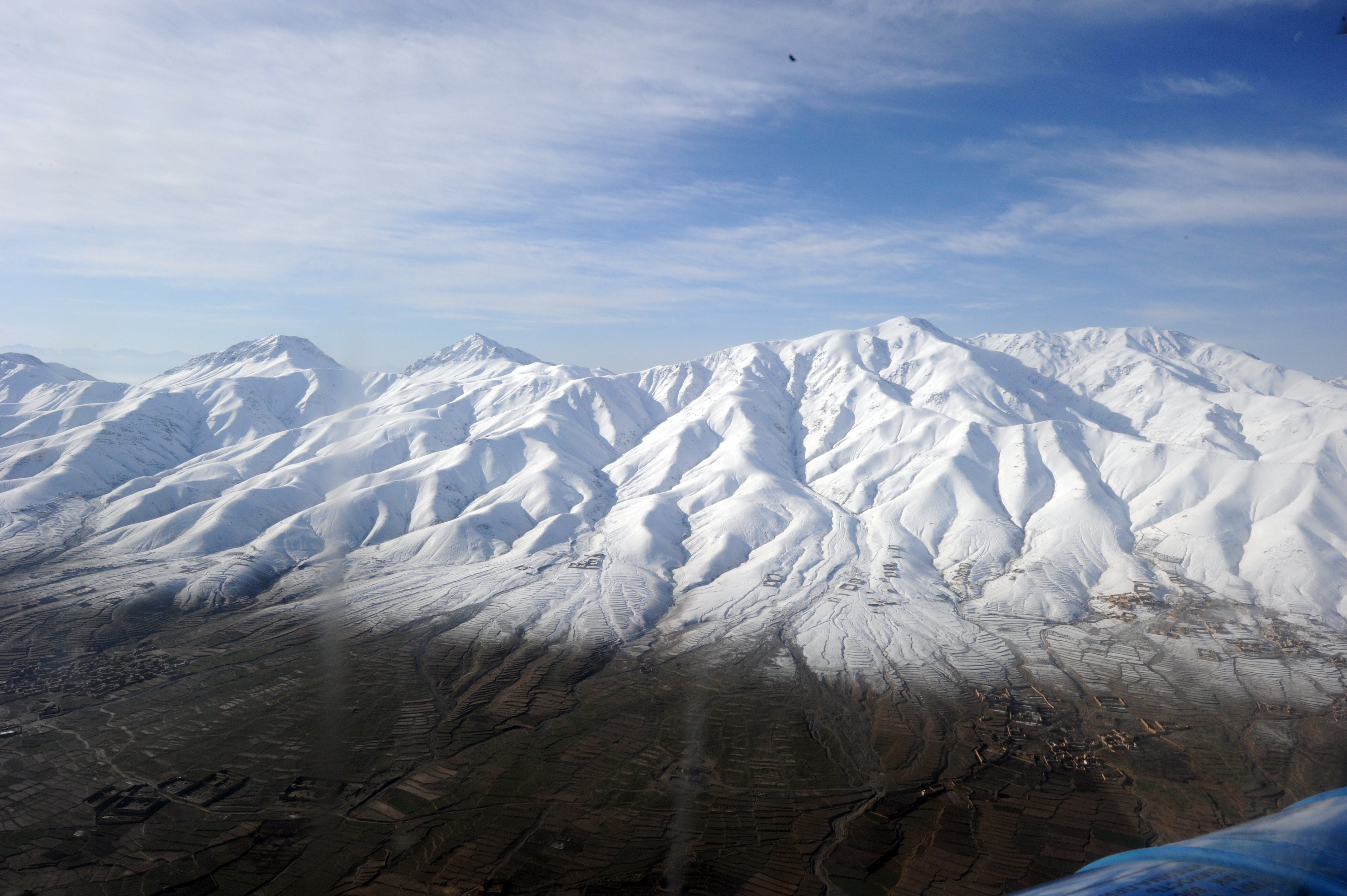
The territory now called Hazarajat, the central highlands of Afghanistan, sometimes described as the "roof of Afghanistan", was never religiously uniform. Before Islam reached Central Asia, what is now Afghanistan was home to Buddhism, Zoroastrianism, and various animist practices, often coexisting in close proximity.
The Bamiyan valley, at the heart of the territory Hazaras have long inhabited, was a significant center of Mahayana Buddhism. The Bamiyan Buddhas, carved into the sandstone cliffs at 38 and 55 metres, stood for roughly 1,400 years before the Taliban destroyed them in 2001. They were built around the 5th and 6th centuries CE and represent a tradition flourishing in the region well before Islam's arrival. That Buddhism survived and was respected in Bamiyan for centuries after Islam spread into surrounding areas is itself telling. It suggests that conversion in this region was gradual and uneven, not a single transformative event.
Islam began reaching the broader territory of what is now Afghanistan through Arab armies from the 7th century onward, but the conversion of its populations was slow. Eastern cities and highland communities did not adopt Islam in any stable or widespread way until much later. Some sources suggest not until around the late 9th century CE. Outlying and mountainous communities often returned to pre-Islamic practice once occupying armies moved on. The central highlands, with their difficult terrain and relative isolation, were among the last areas to convert, and when they did, the form of Islam that took root was shaped by the political and religious forces at work in the centuries that followed.
Mongol Ancestry, Ilkhanid Rule, and the First Shi'a Influences
The question of Hazara religious history cannot be separated from questions about Hazara origins. Most historians accept that Hazara ethnogenesis involved significant Mongol admixture, probably from garrisons and administrative settler populations left behind after the 13th-century Mongol conquests of Central Asia, alongside earlier Turkic, Iranian, and local populations. Genetic studies have confirmed partial Mongol ancestry within the Hazara population.
The Ilkhanate, the Mongol successor state that ruled Iran, Iraq, Anatolia, and much of the surrounding region from the mid-13th century until the early 14th, is one possible early channel for Shi'a influence. The Ilkhanid rulers were initially shamanist and later adopted Islam, and some scholars argue that Ghazan Khan (who formally converted to Islam in 1295) and his successor Abu Sa'id began introducing Shi'a practice into communities under their administration in the eastern reaches of their territory.
Sayed Askar Mousavi, in his foundational study The Hazaras of Afghanistan (1997), suggests that Shi'a influence may have reached the region even earlier, pointing to the period of Imam Reza, the eighth Shi'a Imam, who died in 818 CE in Khorasan. Other historians have argued that some degree of Shi'a identity existed among populations in the Hazarajat region before the Safavid period, potentially entering through Ilkhanid channels, or through the activities of Shi'a missionaries and sayyids (descendants of the Prophet Muhammad's family) traveling through Central Asia in the medieval period. These are minority scholarly positions, but they serve as a useful corrective to the assumption that the Safavid Empire was the sole origin point for Hazara Shi'ism.
The Safavid Empire and the Conversion of a Region
Whatever Shi'a precedents existed before the 16th century, the Safavid Empire is the central political fact in explaining why Shi'a Islam became the dominant faith of the Hazara people.
The Safavid dynasty, which ruled from what is now Iran between 1501 and 1736, was founded by Shah Ismail I on an explicitly Twelver Shi'a religious platform. Ismail made Shi'a Islam the state religion of his empire and pursued conversion with active force. In many territories under Safavid control, Sunni populations were coerced into adopting Shi'ism, Sunni scholars were persecuted, and Shi'a clerics were imported from Arab Shi'a centers, particularly from what is now southern Lebanon and Bahrain, to staff mosques and religious institutions across the empire. The conversion of a predominantly Sunni Iranian population to Twelver Shi'ism over the course of roughly a century is one of the more remarkable instances of state-directed religious transformation in Islamic history.
The Safavid reach into Afghanistan was partial and contested. Khorasan, the historical region covering northeastern Iran, parts of Central Asia, and western Afghanistan including Herat, was at various points under Safavid control. Shah Ismail I invaded Khorasan in 1510 after defeating the Uzbeks, bringing Shi'a political authority directly into territory adjacent to Hazarajat. Shah Abbas I (who reigned 1588 to 1629) consolidated Safavid control over much of Khorasan again after a period of Uzbek incursion, holding Herat and extending Safavid religious and administrative influence into the region.
The Encyclopaedia Iranica notes that the Hazaras embraced Shi'a Islam "between the end of the 16th century and the beginning of the 17th century", a timeline that maps closely onto the reign of Shah Abbas I. Some historians specifically credit Abbas with sponsoring missionary and religious conversion activity in the Hazarajat, though the Safavid state never exercised direct military control over the central highlands the way it did over Herat or Mashhad. The mechanism of conversion in Hazarajat appears to have been primarily through the activities of Shi'a sayyids and missionaries who moved through the region under Safavid influence, rather than through direct coercive governance.
It is important not to overstate the Safavid connection. The empire was based in what is now Iran. Its administrative and military reach into the interior of what is now Afghanistan was limited and intermittent. The transformation of Hazara communities was a regional process unfolding over generations, shaped by Safavid religious culture without being directly administered by the Safavid state.
What Scholars Actually Agree On
The historiography of Hazara conversion is honest about its own gaps. As the research literature consistently acknowledges, "there is no definitive theory regarding the acceptance of Shia Islam by the majority of Hazaras." The scholarly debate turns on several interlocking questions: whether Hazaras converted primarily under Safavid influence, whether earlier Ilkhanid or sayyid influence seeded Shi'a practice that the Safavid period then consolidated, or whether some communities in the region were already Shi'a before either of these influences arrived.
What most scholars do accept is the following: the Hazara conversion to Twelver Shi'ism was not a single event, not fully orchestrated by any one authority, and not complete by any early date. It was a process unfolding over at least two centuries, through a combination of missionary activity, political pressure from adjacent Shi'a powers, the movement of Shi'a religious figures along trade and pilgrimage routes, and probably the appeal of Shi'a devotional practice itself, with its emphasis on the suffering and martyrdom of the imams, to communities that already had established traditions of saint veneration and shrine visitation.
The anthropological evidence from within Hazarajat reinforces this picture of gradual, layered conversion. Hazara religious practice has historically centered on the veneration of local saints (piran), whose authority came from claimed lineage and spiritual power, expressed through visits to their shrines. This shrine culture, which overlaps significantly with Shi'a devotional traditions but also has deep roots in pre-Islamic and early Sufi practices, is consistent with a conversion process that incorporated existing religious habits rather than replacing them wholesale.
Regional Variation: Not All Hazaras Are Twelver Shi'a
The assumption that "Hazara" and "Twelver Shi'a" are synonyms is a simplification. The Hazara community has never been religiously uniform, and its internal variation tells its own story about how conversion actually worked on the ground.
A significant minority of Hazaras are Ismaili Shi'a rather than Twelver Shi'a. Ismaili Hazara communities are concentrated primarily in the Kayan valley of Baghlan province, parts of Parwan, and Bamyan. Ismaili Islam, which diverges from Twelver Shi'ism on the question of the legitimate line of Shi'a imams and has a distinctive institutional structure centered on the living Imam (currently the Aga Khan), reached these communities through separate historical channels, likely predating Safavid influence in some areas.
There are also Sunni Hazara communities, found primarily in the provinces of Badghis, Ghor, Kunduz, Baghlan, and Panjshir, as well as other areas on the periphery of the traditional Hazarajat. Some have practiced Sunni Islam for generations, predating the 19th-century Abdur Rahman period. Others were forcibly converted from Shi'a to Sunni Islam during the campaigns of Abdur Rahman Khan in the 1890s, a fact that complicates any simple reading of Sunni Hazara identity as historically continuous.
This internal variation matters because it reflects the reality that conversion to Shi'ism moved unevenly across the highlands, following trade routes, the influence of specific sayyid lineages, proximity to Safavid-connected religious networks, and the geographic isolation of particular valleys and communities. The "Hazara conversion" was not a uniform event. It was a mosaic of local histories.
How Shi'a Identity Became a Tool of Persecution
The consolidation of Hazara Shi'a identity, however it occurred, proved to have profound and devastating political consequences, most acutely in the late 19th century.
Abdur Rahman Khan, the Pashtun amir who consolidated the Afghan state under British patronage between 1880 and 1901, launched systematic military campaigns against the Hazara population following major uprisings in 1888 to 1893. The sectarian dimension was not incidental. Abdur Rahman's government issued a royal decree instructing clerics to announce after Friday prayers that the Shi'a Hazaras were not Muslims but unbelievers subject to extermination or enslavement. Abdur Rahman declared jihad against the Shi'a, mobilizing Sunni tribal militias with promises of Hazara land and enslaved Hazara people as reward.
The religious framing was politically deliberate. Declaring Shi'a Hazaras to be apostates or non-Muslims allowed what was in significant part a campaign of ethnic dispossession and state consolidation to be presented as a religious obligation. It mobilized Sunni clerical authority and tribal fighters who might not have responded as readily to a purely ethnic or political call. Between 1891 and 1893, contemporary sources and later scholars estimate that over 60 percent of the Hazara population was killed or forcibly displaced. Survivors were enslaved, their lands redistributed, and Hazara slavery remained legal in Afghanistan until the early 20th century.
This episode crystallized what had been a religious distinction into a marker of permanent exclusion. The combination of ethnic difference (physical appearance, language) with sectarian difference (Shi'a in a Sunni-majority state) created a compound vulnerability that has persisted through every subsequent political order in Afghanistan, including the Taliban regimes of 1996 to 2001 and post-2021.
Shi'a Identity and Hazara Political Consciousness
The relationship between Shi'a identity and Hazara political identity is not fixed. It has shifted considerably across the 20th and 21st centuries.
Through much of the early and mid-20th century, Hazara political identity was primarily organized around tribal and regional affiliations, with religious identity playing a secondary role in formal political life. The penetration of Iranian and Iraqi religious influence into Hazarajat from the 1960s onward, through educated clerics trained in Najaf and later in Qom, began to activate what scholars call "conscious Shi'ism" as a primary mode of political identity. The Iranian Revolution of 1979 and the subsequent Afghan jihad against Soviet occupation transformed this further, as Hazara resistance factions organized along explicitly Shi'a ideological lines and received material support from the Islamic Republic of Iran.
The result was a significant consolidation of Shi'a identity as a framework for Hazara political mobilization. Organizations like Hizb-e Wahdat, which became the major Hazara political party of the civil war period, were explicitly Shi'a in their ideology. The Bonn Agreement of 2001 and the subsequent period of Afghan political participation brought Hazara political figures into government for the first time in modern Afghan history, but the community's political representation continued to be organized substantially through sectarian as much as ethnic frameworks.
More recently, a countercurrent has emerged. Younger Hazara activists and intellectuals, particularly in urban areas and in communities outside Afghanistan, have increasingly emphasized ethnic and cultural identity over religious identity as the primary basis for Hazara solidarity. This is partly a response to the limits of sectarian politics and partly an effort to build broader coalitions. The revival of Hazaragi language, heritage, and pre-Islamic cultural elements as markers of identity reflects a generation for whom ethnicity is the more inclusive and politically flexible category. The two frameworks, religious and ethnic, coexist, sometimes in tension, within contemporary Hazara communities today.
Religion, Ethnicity, and What Comes Next
The history of how Hazara communities came to be Shi'a resists easy summary. It involved pre-existing Shi'a currents in the region, the transformative influence of the Safavid Empire on the religious culture of the broader neighborhood, the slow work of missionaries and sayyids across isolated mountain communities, regional variation that has never fully resolved into uniformity, and a centuries-long process of identity consolidation that was as much social as theological.
What is clear is that Shi'a identity did not make Hazaras vulnerable in isolation. It made them vulnerable because it coincided with physical and linguistic distinctiveness in a state actively constructed around Pashtun and Sunni supremacy. The religious dimension gave rulers and violent movements a readily deployable theological justification for exclusion and violence, one that could mobilize other communities against the Hazara while delegitimizing Hazara claims to Afghan citizenship.
Understanding this history does not resolve the present. Hazaras continue to be targeted by the Taliban and by groups like ISKP in significant part because of their religious identity. Whether they are observant Twelver Shi'a or secular urbanites, the sectarian mark remains. At the same time, the community's relationship to Shi'a Islam is not merely a source of vulnerability. It is also a living tradition of devotion, scholarship, and communal life, a heritage that shaped culture, art, and solidarity across centuries of extreme hardship. The history of how the Hazara became Shi'a is ultimately a history of how religion, geography, empire, and violence intertwine to produce identities that outlast the forces that created them.
ترجمه فارسی
چگونه هزاره شیعه شد: ایمان، گرویدن، و پیوند صفوی
از این بپرس که چرا هزارهها در افغانستان آزار و اذیت دیدهاند و همان پاسخ بارها سر برمیآورد: آنان شیعهاند در کشوری که اسلام سنی مدتهاست هم بر دولت و هم بر تصویر ملی غالب بوده. این تفاوت فرقهای به کار برده شده تا آنان را مرتد اعلام کنند، تا کشتار دستهجمعی را توجیه کنند، تا زمین، آموزش و مناصب دولتی را از آنان دریغ دارند. اما تاریخ پشت این موضوع، اینکه چگونه و چه زمانی جوامع هزاره شیعه شدند، و این گرویدن تا چه حد کامل بود، در انگلیسی بهندرت با دقت بررسی شده است. این داستان کهنتر و پیچیدهتر از روایت معمول است. شامل نظریههای پژوهشی رقیب، یک امپراتوری فارسیزبان که مذهب خود را در گسترۀ پهناوری از منطقه تحمیل کرد، جمعیتی که شاید پیش از رسیدن نفوذ بیرونی به سوی عمل شیعی حرکت میکرد، و یک هویت دینی که بعدها علیه مردمی که آن را داشتند به ابزار سلاح بدل شد، میشود.
پیش از اسلام: بودایی، زرتشتی، و یک منطقه در گذار
سرزمینی که اکنون هزارجات نامیده میشود، مرکز کوهستانی افغانستان، که گاه «بام افغانستان» توصیف میشود، هرگز از نظر دینی یکدست نبود. پیش از اینکه اسلام به آسیای میانه برسد، آنچه اکنون افغانستان است خانۀ بودایی، زرتشتی و شیوههای گوناگون جانگرایی بود، که اغلب در نزدیکی نزدیک کنار هم بودند.
درۀ بامیان، در قلب سرزمینی که هزارهها مدتهاست در آن ساکناند، یک مرکز مهم بودایی مهایانه بود. بتهای بامیان، که در صخرههای ماسهسنگ به ارتفاع ۳۸ و ۵۵ متر تراشیده شده بودند، نزدیک به ۱۴۰۰ سال ایستادند پیش از آنکه طالبان آنها را در ۲۰۰۱ ویران کنند. آنها در حدود قرنهای پنجم و ششم میلادی ساخته شدند و نمایندۀ سنتی هستند که در منطقه بهخوبی پیش از رسیدن اسلام رونق داشت. اینکه بودایی در بامیان قرنها پس از گسترش اسلام در مناطق پیرامون زنده ماند و محترم شمرده شد، خود گویاست. این نشان میدهد که گرویدن در این منطقه تدریجی و ناهموار بود، نه یک رویداد واحد و دگرگونکننده.
اسلام از قرن هفتم به بعد از طریق ارتشهای عرب به سرزمین گستردهتر آنچه اکنون افغانستان است رسید، اما گرویدن جمعیتهای آن آرام بود. شهرهای شرقی و جوامع کوهستانی تا مدتها بعد به هیچ شکل پایدار یا گستردهای اسلام را نپذیرفتند. برخی منابع تا حدود اواخر قرن نهم میلادی را پیشنهاد میکنند. جوامع دورافتاده و کوهستانی اغلب پس از رفتن ارتشهای اشغالگر به عمل پیش از اسلام بازمیگشتند. مرکز کوهستانی، با سرزمین صعبالعبور و انزوای نسبیاش، در میان آخرین مناطقی بود که گروید، و وقتی گروید، شکل اسلامی که در آن ریشه دواند، توسط نیروهای سیاسی و دینی فعال در قرنهای پیآمده شکل گرفت.
نیاکان مغول، حکومت ایلخانی، و نخستین نفوذ شیعی
پرسش تاریخ دینی هزاره را نمیتوان از پرسشهای مربوط به خاستگاه هزاره جدا کرد. بیشتر مورخان میپذیرند که قومزایی هزاره شامل آمیختگی چشمگیر مغولی بوده، احتمالاً از پادگانها و جمعیتهای مهاجر اداری که پس از فتوحات مغول در قرن سیزدهم در آسیای میانه به جا مانده بودند، در کنار جمعیتهای پیشین ترکی، ایرانی و محلی. مطالعات ژنتیکی نیاکان جزئی مغولی را در درون جمعیت هزاره تأیید کرده است.
ایلخانان، دولت جانشین مغول که از میانۀ قرن سیزدهم تا اوایل قرن چهاردهم بر ایران، عراق، آناتولی و بخش بزرگی از منطقۀ پیرامون حکم میراند، یک کانال احتمالی اولیه برای نفوذ شیعی است. حاکمان ایلخانی در ابتدا شمنی بودند و سپس اسلام را پذیرفتند، و برخی پژوهشگران استدلال میکنند که غازان خان (که در ۱۲۹۵ بهطور رسمی به اسلام گروید) و جانشینش ابوسعید آغاز به وارد کردن عمل شیعی به جوامع زیر ادارهشان در سرحدات شرقی سرزمینشان کردند.
سید عسکر موسوی، در مطالعۀ بنیادی خود هزارههای افغانستان (۱۹۹۷)، پیشنهاد میکند که نفوذ شیعی شاید حتی پیشتر به منطقه رسیده باشد، با اشاره به دوره امام رضا، امام هشتم شیعه، که در ۸۱۸ میلادی در خراسان درگذشت. دیگر مورخان استدلال کردهاند که درجهای از هویت شیعی پیش از دورۀ صفوی در میان جمعیتهای منطقۀ هزارجات وجود داشت، که احتمالاً از طریق کانالهای ایلخانی، یا از طریق فعالیتهای مبلغان شیعی و سادات (نوادگان خاندان پیامبر محمد) که در دورۀ قرون وسطی از آسیای میانه میگذشتند، وارد شد. اینها مواضع پژوهشی اقلیتی است، اما بهعنوان یک تصحیح مفید در برابر این فرض که امپراتوری صفوی تنها نقطۀ آغاز برای تشیع هزاره بود، خدمت میکند.
امپراتوری صفوی و گرویدن یک منطقه
هر سابقهای از تشیع که پیش از قرن شانزدهم وجود داشته، امپراتوری صفوی واقعیت مرکزی سیاسی در توضیح این است که چرا اسلام شیعی ایمان غالب مردم هزاره شد.
سلسله صفویه، که میان ۱۵۰۱ و ۱۷۳۶ از آنچه اکنون ایران است حکم راند، توسط شاه اسماعیل یکم بر پایۀ یک سکوی دینی بهروشنی شیعۀ دوازدهامامی بنا شد. اسماعیل اسلام شیعی را دین رسمی امپراتوری خود قرار داد و گرویدن را با زور فعال دنبال کرد. در بسیاری از سرزمینهای زیر کنترل صفوی، جمعیتهای سنی به پذیرش تشیع وادار شدند، علمای سنی آزار و اذیت دیدند، و علمای شیعی از مراکز شیعی عرب، بهویژه از آنچه اکنون لبنان جنوبی و بحرین است، وارد میشدند تا مساجد و نهادهای دینی در سراسر امپراتوری را اداره کنند. گرویدن جمعیت غالباً سنیِ ایران به تشیع دوازدهامامی در طول حدود یک قرن، یکی از قابلتوجهترین نمونههای دگرگونی دینیِ دولتمحور در تاریخ اسلامی است.
دسترسی صفوی به افغانستان جزئی و محل مناقشه بود. خراسان، منطقۀ تاریخی که شمال شرق ایران، بخشهایی از آسیای میانه، و غرب افغانستان از جمله هرات را در بر میگرفت، در نقاطی مختلف زیر کنترل صفوی بود. شاه اسماعیل یکم در ۱۵۱۰ پس از شکست ازبکها به خراسان حمله کرد و اقتدار سیاسی شیعی را بهطور مستقیم به سرزمین مجاور هزارجات آورد. شاه عباس یکم (که از ۱۵۸۸ تا ۱۶۲۹ حکم راند) پس از یک دورۀ تجاوز ازبک، کنترل صفوی بر بخش بزرگی از خراسان را دوباره تحکیم کرد، هرات را در دست داشت و نفوذ دینی و اداری صفوی را به منطقه گسترش داد.
Encyclopaedia Iranica اشاره میکند که هزارهها اسلام شیعی را «میان پایان قرن شانزدهم و آغاز قرن هفدهم» پذیرفتند، یک خط زمانی که از نزدیک با حکومت شاه عباس یکم تطبیق میکند. برخی مورخان بهطور مشخص عباس را به حمایت از فعالیت تبلیغی و گرویدن دینی در هزارجات معتبر میدانند، هرچند دولت صفوی هرگز کنترل نظامی مستقیم بر مرکز کوهستانی به همان شکلی که بر هرات یا مشهد داشت، اعمال نکرد. سازوکار گرویدن در هزارجات به نظر میرسد در درجۀ اول از طریق فعالیتهای سادات شیعی و مبلغانی بوده که زیر نفوذ صفوی در منطقه حرکت میکردند، نه از طریق حکومت قهری مستقیم.
مهم است که پیوند صفوی را بزرگ نکنیم. این امپراتوری مستقر در آنچه اکنون ایران است بود. دسترسی اداری و نظامی آن به درون آنچه اکنون افغانستان است، محدود و متناوب بود. دگرگونی جوامع هزاره یک روند منطقهای بود که در طول نسلها در حال گشایش بود، که توسط فرهنگ دینی صفوی شکل گرفت بدون اینکه بهطور مستقیم توسط دولت صفوی اداره شود.
آنچه پژوهشگران بهراستی بر آن توافق دارند
تاریخنگاری گرویدن هزاره دربارۀ شکافهای خود صادق است. چنانکه ادبیات پژوهشی بهطور پیوسته اذعان میکند، «هیچ نظریۀ قطعی دربارۀ پذیرش اسلام شیعی توسط اکثریت هزارهها وجود ندارد.» بحث پژوهشی بر چندین پرسش درهمتنیده میچرخد: آیا هزارهها در درجۀ اول زیر نفوذ صفوی گرویدند، آیا نفوذ پیشین ایلخانی یا ساداتی، عمل شیعی را کاشت که دورۀ صفوی سپس آن را تحکیم کرد، یا اینکه برخی جوامع در منطقه پیش از ورود هر یک از این نفوذها از پیش شیعه بودند.
آنچه بیشتر پژوهشگران میپذیرند، این است: گرویدن هزاره به تشیع دوازدهامامی یک رویداد واحد نبود، بهطور کامل توسط هیچ یک از مقامات سامان داده نشد، و در هیچ تاریخ زودهنگامی کامل نشد. این یک روند بود که در طول دستکم دو قرن گشایش یافت، از طریق ترکیبی از فعالیت تبلیغی، فشار سیاسی از قدرتهای شیعی مجاور، حرکت چهرههای دینی شیعی در امتداد راههای تجارت و زیارت، و احتمالاً جذابیت خود عمل اخلاصمند شیعی، با تأکیدش بر رنج و شهادت ائمه، برای جوامعی که از پیش سنتهای جاافتادهای از احترام به اولیا و زیارت زیارتگاهها داشتند.
شواهد مردمشناختی از درون هزارجات این تصویر گرویدن تدریجی و لایهلایه را تقویت میکند. عمل دینی هزاره بهطور تاریخی بر احترام به اولیای محلی (پیران) متمرکز بوده، که اقتدارشان از تبار ادعایی و قدرت معنوی میآمد، که از طریق زیارت زیارتگاههای آنان بیان میشد. این فرهنگ زیارتگاهی، که به مقدار چشمگیر با سنتهای اخلاصمند شیعی همپوشانی دارد اما همچنین ریشههای عمیقی در عملهای پیش از اسلام و صوفی اولیه دارد، با یک روند گرویدن که عادات دینی موجود را در خود گنجاند بهجای اینکه بهطور کلی جایگزین آنها شود، همخوان است.
تنوع منطقهای: همۀ هزارهها شیعۀ دوازدهامامی نیستند
این فرض که «هزاره» و «شیعۀ دوازدهامامی» مترادفاند، یک سادهسازی است. جامعۀ هزاره هرگز از نظر دینی یکدست نبوده، و تنوع درونی آن داستان خاص خود را دربارۀ اینکه گرویدن در زمین بهراستی چگونه کار میکرد، بازمیگوید.
یک اقلیت چشمگیر از هزارهها شیعۀ اسماعیلی هستند نه شیعۀ دوازدهامامی. جوامع هزارۀ اسماعیلی در درجۀ اول در درۀ کیان ولایت بغلان، بخشهایی از پروان و بامیان متمرکزند. اسلام اسماعیلی، که در پرسش خط مشروع ائمۀ شیعی از تشیع دوازدهامامی واگرا میشود و ساختار نهادی متمایزی متمرکز بر امام زنده دارد (در حال حاضر آقا خان)، از طریق کانالهای تاریخی جداگانه، احتمالاً پیش از نفوذ صفوی در برخی مناطق، به این جوامع رسید.
جوامع هزارۀ سنی نیز وجود دارند، که در درجۀ اول در ولایات بادغیس، غور، کندوز، بغلان و پنجشیر، و همچنین مناطق دیگری در حاشیۀ هزارجات سنتی یافت میشوند. برخی نسلها است که اسلام سنی را عمل میکنند، که به پیش از دورۀ عبدالرحمن در قرن نوزدهم برمیگردد. دیگران در طول کارزارهای عبدالرحمن خان در دهۀ ۱۸۹۰ به زور از تشیع به اسلام سنی گردانده شدند، حقیقتی که هر خوانش ساده از هویت هزارۀ سنی بهعنوان امتداد تاریخیِ پیوسته را پیچیده میسازد.
این تنوع درونی اهمیت دارد چون نشان میدهد که گرویدن به تشیع بهطور ناهموار در سراسر کوهستان حرکت کرد، از راههای تجاری، نفوذ تبارهای خاص ساداتی، نزدیکی به شبکههای دینیِ متصل به صفوی، و انزوای جغرافیایی درهها و جوامع خاص پیروی میکرد. «گرویدن هزاره» یک رویداد یکنواخت نبود. یک موزائیک از تاریخهای محلی بود.
چگونه هویت شیعی به ابزار آزار و اذیت بدل شد
تحکیم هویت شیعی هزاره، به هر شکلی که رخ داد، پیامدهای سیاسی ژرف و ویرانگری به همراه داشت، که شدیدترین آن در اواخر قرن نوزدهم بود.
عبدالرحمن خان، امیر پشتون که میان ۱۸۸۰ و ۱۹۰۱ دولت افغانستان را زیر حمایت بریتانیا تحکیم کرد، کارزارهای نظامی سیستماتیک علیه جمعیت هزاره را به دنبال قیامهای بزرگ ۱۸۸۸ تا ۱۸۹۳ آغاز کرد. بعد فرقهای تصادفی نبود. دولت عبدالرحمن یک فرمان شاهی صادر کرد که به علما دستور میداد پس از نماز جمعه اعلام کنند که هزارههای شیعه مسلمان نیستند بلکه کافرانی هستند که مشمول نابودی یا بردهگیریاند. عبدالرحمن جهاد علیه شیعه را اعلام کرد، و شبهنظامیان قبیلهای سنی را با وعدۀ زمین هزاره و افراد هزارۀ بردهشده بهعنوان پاداش، بسیج کرد.
چارچوببندی دینی از نظر سیاسی عمدی بود. اعلام اینکه هزارههای شیعه مرتد یا غیرمسلماناند، اجازه میداد آنچه به مقدار چشمگیر یک کارزار سلب مالکیت قومی و تحکیم دولت بود، بهعنوان یک وظیفۀ دینی ارائه شود. این کار اقتدار علمای سنی و جنگجویان قبیلهای را بسیج میکرد که شاید به یک فراخوان صرفاً قومی یا سیاسی به این آسانی پاسخ نمیدادند. میان ۱۸۹۱ و ۱۸۹۳، منابع همان دوره و پژوهشگران بعدی برآورد میکنند که بیش از ۶۰ درصد از جمعیت هزاره کشته یا به زور بیجا شدند. بازماندگان برده شدند، زمینهایشان توزیع شد، و بردگی هزاره تا اوایل قرن بیستم در افغانستان قانونی باقی ماند.
این فصل، آنچه را یک تمایز دینی بود، به یک نشانۀ کنار گذاشتن دائمی متبلور کرد. ترکیب تفاوت قومی (ظاهر، زبان) با تفاوت فرقهای (شیعه در یک دولت با اکثریت سنی)، یک آسیبپذیری ترکیبی پدید آورد که در هر نظم سیاسی بعدی در افغانستان، از جمله رژیمهای طالبان ۱۹۹۶ تا ۲۰۰۱ و پس از ۲۰۲۱، تداوم یافته است.
هویت شیعی و آگاهی سیاسی هزاره
رابطۀ میان هویت شیعی و هویت سیاسی هزاره ثابت نیست. در طول قرنهای بیستم و بیست و یکم بهطور قابل توجهی تغییر کرده است.
در بخش زیادی از اوایل و میانۀ قرن بیستم، هویت سیاسی هزاره در درجۀ اول حول وابستگیهای قبیلهای و منطقهای سازماندهی میشد، و هویت دینی نقش ثانوی در زندگی سیاسی رسمی بازی میکرد. نفوذ دینی ایران و عراق به هزارجات از دهۀ ۱۹۶۰ به بعد، از طریق علمای آموزشدیده در نجف و بعدها در قم، آغاز به فعالسازی آنچه پژوهشگران «تشیع آگاه» مینامند، بهعنوان شیوۀ اصلی هویت سیاسی کرد. انقلاب ایران در ۱۹۷۹ و سپس جهاد افغانستان علیه اشغال شوروی این موضوع را بیشتر دگرگون کرد، چنانکه جناحهای مقاومت هزاره بهروشنی در امتداد خطوط ایدئولوژیک شیعی سازماندهی شدند و از جمهوری اسلامی ایران حمایت مادی دریافت کردند.
نتیجه تحکیم چشمگیر هویت شیعی بهعنوان چارچوبی برای بسیج سیاسی هزاره بود. سازمانهایی مانند حزب وحدت، که حزب سیاسی اصلی هزاره در دورۀ جنگ داخلی شد، در ایدئولوژی بهروشنی شیعی بودند. توافقنامۀ بن در ۲۰۰۱ و دورۀ بعدی مشارکت سیاسی افغانستان، چهرههای سیاسی هزاره را برای نخستین بار در تاریخ معاصر افغانستان به دولت آورد، اما نمایندگی سیاسی جامعه همچنان به مقدار چشمگیر از طریق چارچوبهای فرقهای به همان اندازۀ قومی سازماندهی شد.
اخیراً، یک جریان متضاد ظاهر شده است. فعالان و روشنفکران جوانتر هزاره، بهویژه در مناطق شهری و در جوامع خارج از افغانستان، بهطور فزایندهای بر هویت قومی و فرهنگی بهجای هویت دینی بهعنوان پایۀ اصلی همبستگی هزاره تأکید کردهاند. این تا حدودی پاسخی به محدودیتهای سیاست فرقهای و تا حدودی تلاشی برای ساختن ائتلافهای گستردهتر است. احیای زبان هزارگی، میراث، و عناصر فرهنگی پیش از اسلامی بهعنوان نشانههای هویت، بازتاب نسلی است که برای آن قومیت دستهبندی فراگیرتر و از نظر سیاسی انعطافپذیرتر است. این دو چارچوب، دینی و قومی، گاه در تنش، در درون جوامع معاصر هزاره امروز همزیستی دارند.
دین، قومیت، و آنچه پیش رو است
تاریخ این که چگونه جوامع هزاره شیعه شدند، در برابر خلاصهسازی آسان مقاومت میکند. شامل جریانهای شیعی پیشموجود در منطقه، نفوذ دگرگونکنندۀ امپراتوری صفوی بر فرهنگ دینی همسایگی گستردهتر، کار آرام مبلغان و سادات در سراسر جوامع کوهستانی منزوی، تنوع منطقهای که هرگز بهطور کامل به یکدستی نرسیده، و یک روند چندقرنیِ تحکیم هویت بود که به همان اندازه که الهیاتی بود، اجتماعی نیز بود.
آنچه روشن است، این است که هویت شیعی، هزارهها را بهتنهایی آسیبپذیر نکرد. آنان را به این دلیل آسیبپذیر کرد که با تمایز فیزیکی و زبانی در دولتی که فعالانه گرد برتری پشتون و سنی ساخته شده بود، همراه شد. بعد دینی به حاکمان و جنبشهای خشن یک توجیه الهیاتی بهراحتی قابل به کارگیری برای کنار گذاشتن و خشونت داد، توجیهی که میتوانست جوامع دیگر را علیه هزاره بسیج کند و ادعای هزاره به شهروندی افغانستان را غیرمشروع جلوه دهد.
فهم این تاریخ، حال را حل نمیکند. هزارهها همچنان توسط طالبان و گروههایی مانند داعش خراسان به مقدار چشمگیر به دلیل هویت دینیشان هدفگیری میشوند. چه آنها شیعۀ دوازدهامامی پایبند باشند چه شهرنشینان سکولار، نشانۀ فرقهای میماند. همزمان، رابطۀ جامعه با اسلام شیعی صرفاً منبع آسیبپذیری نیست. این همچنین یک سنت زندۀ اخلاص، پژوهش و زندگی جمعی است، میراثی که فرهنگ، هنر و همبستگی را در سراسر قرنهای دشواری شدید شکل داد. تاریخ این که چگونه هزاره شیعه شد، در نهایت تاریخ این است که چگونه دین، جغرافیا، امپراتوری و خشونت در هم میبافند تا هویتهایی تولید کنند که از نیروهایی که آنان را آفریدند، بادوامترند.