The Oral Epic Tradition: Hazara Storytelling Before It Was Written Down
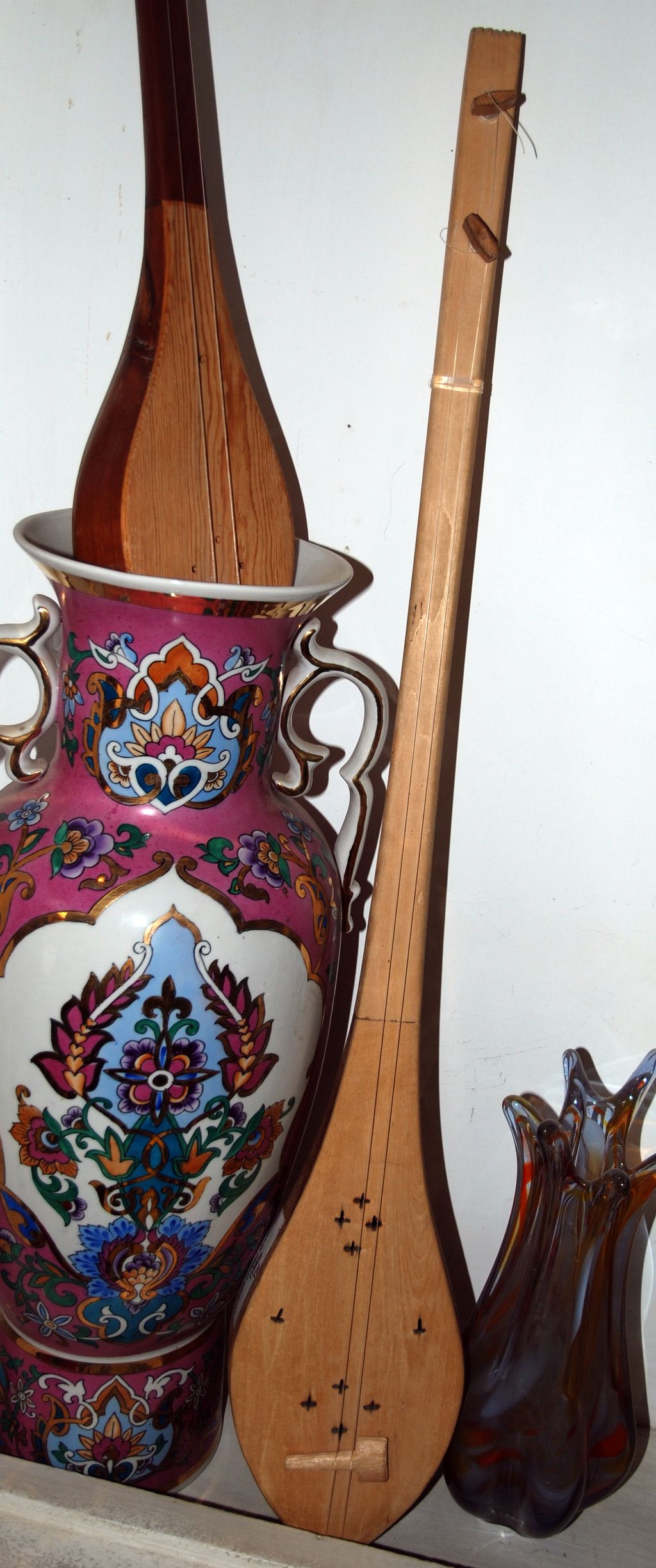
Before there were books, there was a grandmother's voice in the dark. Before there were printed anthologies, there was a dambura string humming in a village courtyard while a singer recited verses no one had bothered to commit to paper, because everyone trusted that memory would hold them. For the Hazara people of central Afghanistan, oral tradition was not a precursor to "real" literature. It was the literature. Its forms were sophisticated, its performers skilled, its audiences demanding, and its body of material vast.
That material is now under pressure. Decades of displacement, targeted violence, and the disruption of family and community networks have strained the channels through which oral knowledge passed from one generation to the next. Yet the tradition is not gone. It is being recorded, studied, and re-inhabited by Hazara communities at home and abroad. Understanding it means starting not with the threat, but with the thing itself.
What Oral Tradition Means Here
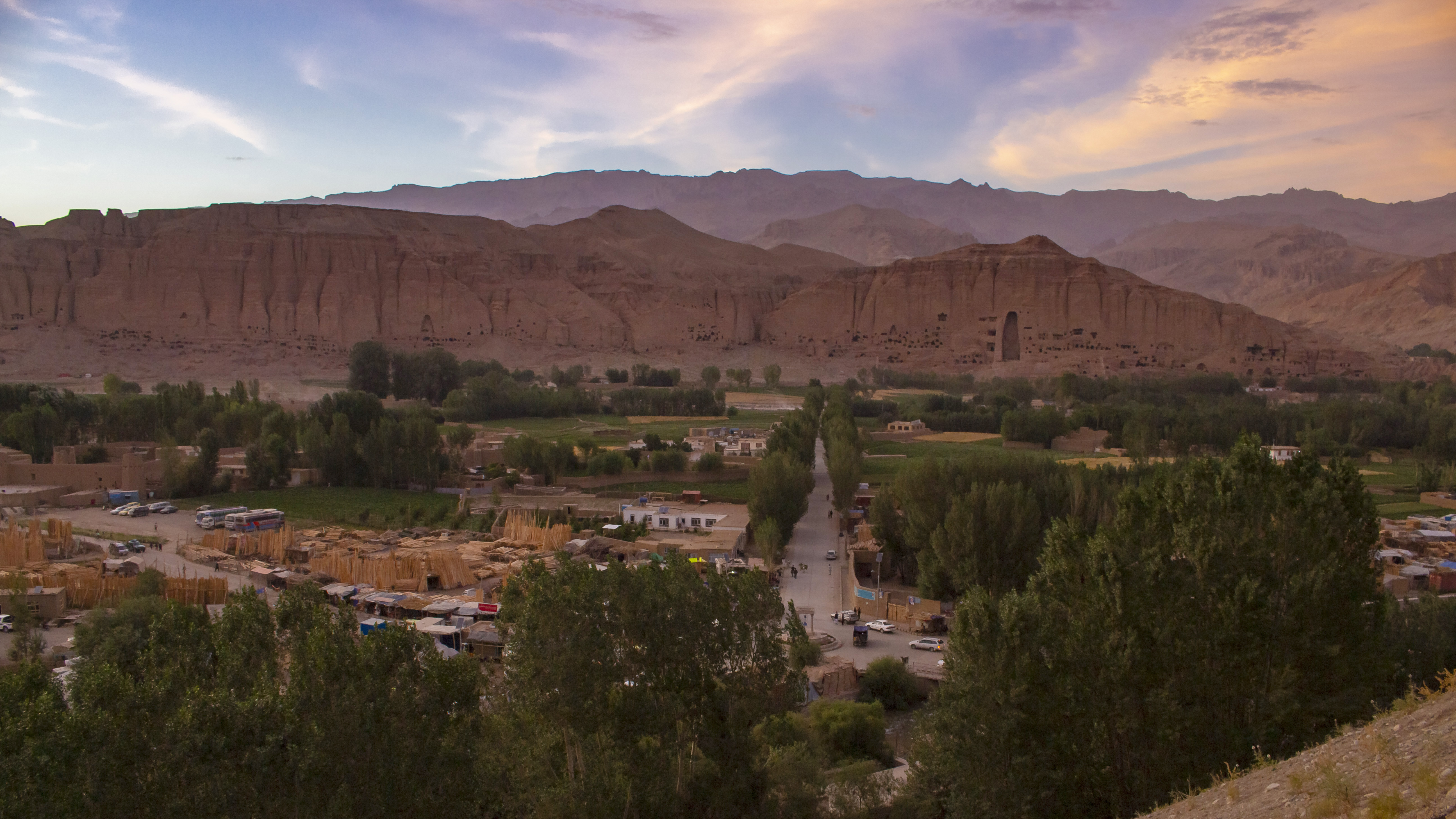
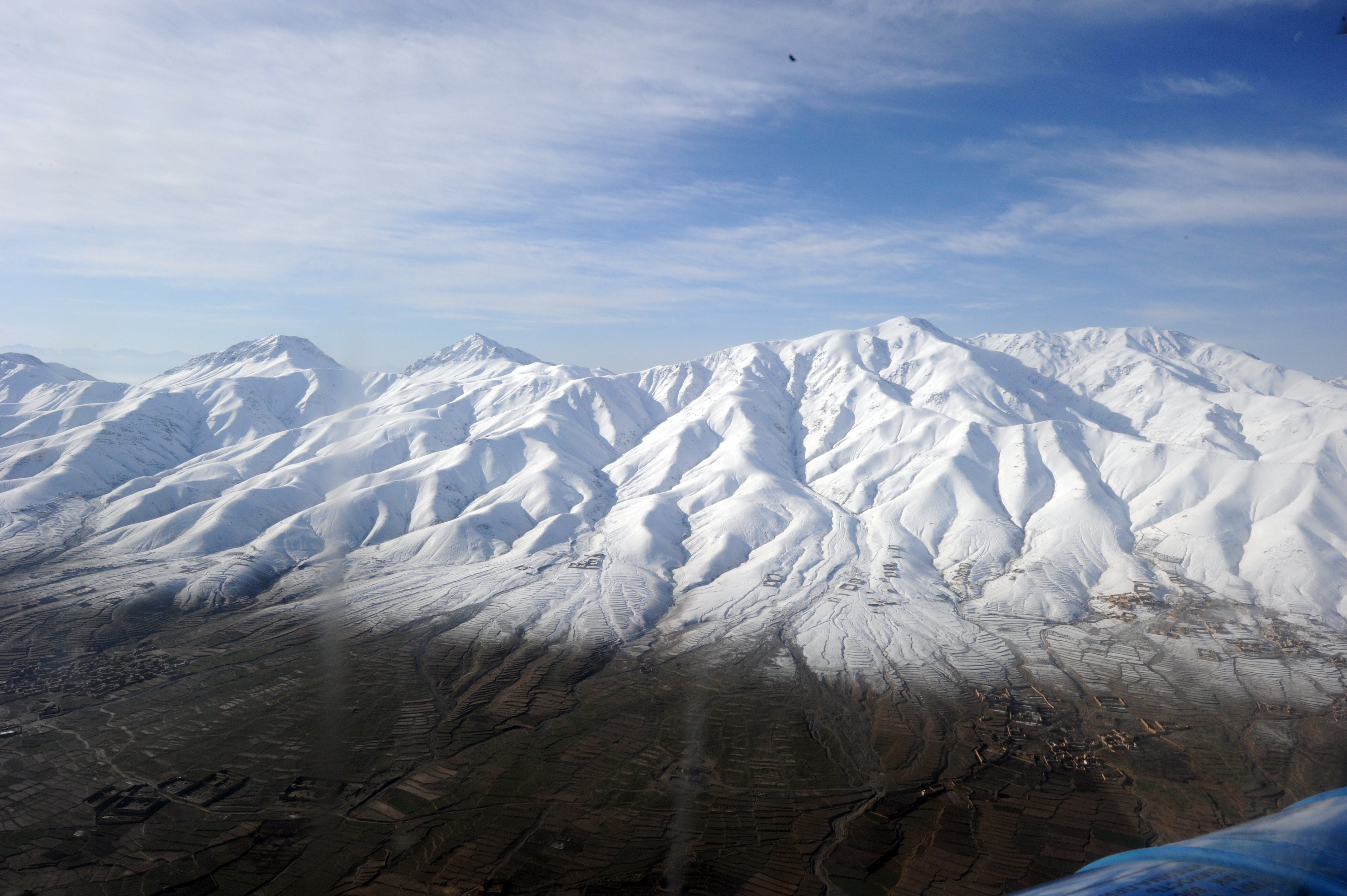
Hazaragi oral tradition is distinct from the written Dari literature produced in Afghan cities or the classical Farsi literary canon preserved in manuscripts. Those traditions have their own prestige and their own history. Hazaragi oral tradition belongs to a different register: the body of songs, stories, verses, and proverbs that circulated in homes, at weddings, in the fields, and at communal gatherings in Hazarajat, the central highland region of Afghanistan where Hazara communities have lived for centuries.
The working language is Hazaragi, a variety of Dari with its own distinct sound and a vocabulary that sets it apart from standard written forms. By one widely cited estimate, around ten percent of Hazaragi vocabulary derives from Turkic and Mongolic roots, reflecting the historical migrations that shaped the Hazara people. Words like ata (father), kaṭa (big), bêri (bride), and alaḡa (palm of the hand) carry traces of contact with Central Asian peoples and languages that no formal dictionary of Dari fully captures. The oral tradition was, and remains, the primary carrier of this vocabulary layer. It lived in sung lines, in story formulae, in the compressed grammar of proverbs. When it is not spoken, those words risk going with it.
The Major Forms
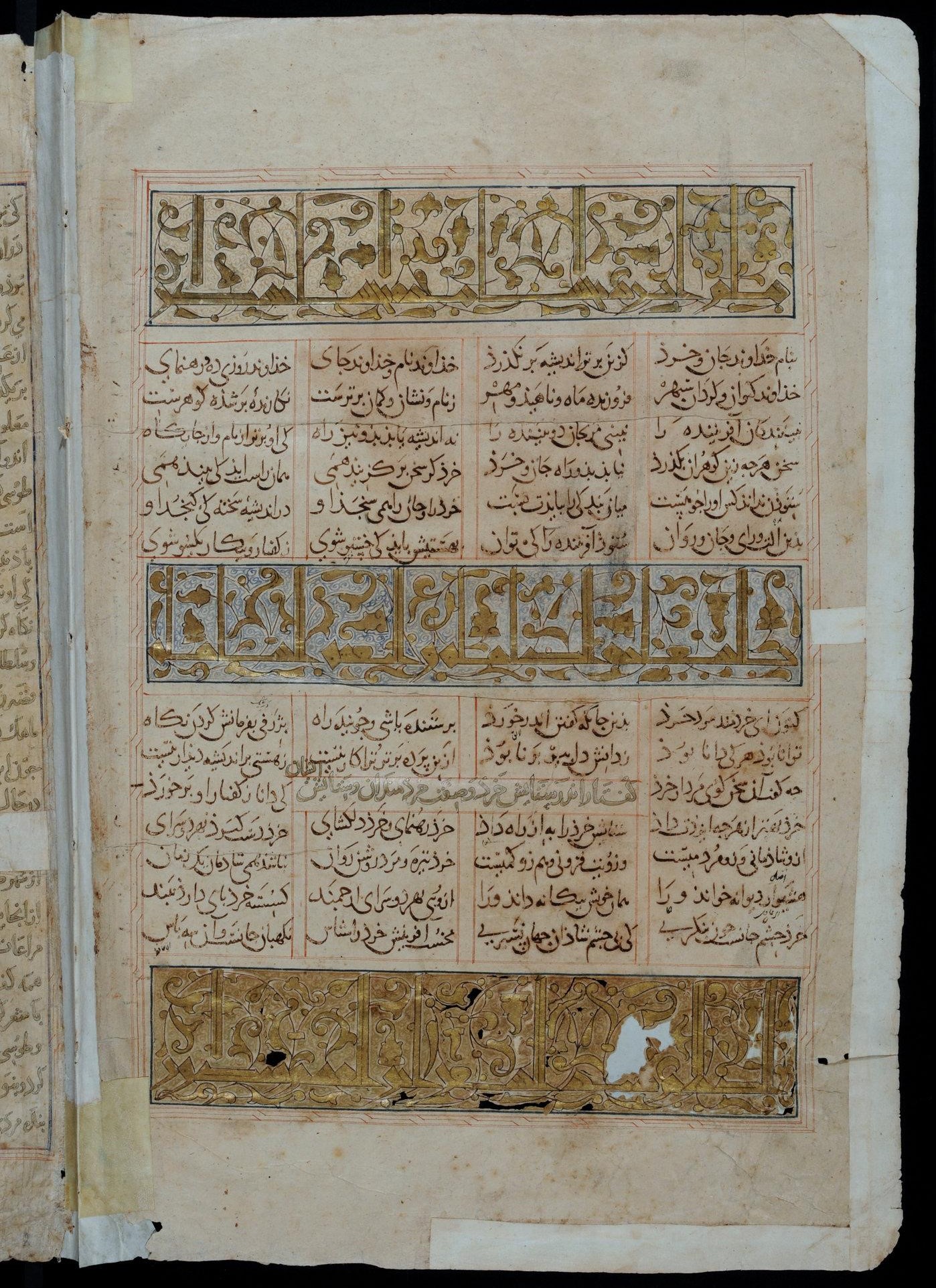
Hazaragi oral tradition is not a single genre but a family of related forms, each with its own performance context, its own rules, and its own relationship to the audience.
The doheti (also written dubayti or dobeiti) is the foundational unit: a two-line verse, sometimes expanded into a four-line couplet, that encodes a single observation, feeling, or moral in compressed, often highly musical language. Scholars have documented thousands of these verses, passed orally from generation to generation by elders. They cover everything from romantic longing to agricultural wisdom to political complaint. Their brevity made them portable, easy to memorize, easy to trade, easy to adapt. A singer could deliver a doheti as a standalone piece or string them together into a longer performance. The form was flexible without being formless.
The chaharbeiti (literally "four lines") is a related quatrain form popular across Afghanistan, given a distinctly Hazara inflection in Hazarajat. Ethnomusicologist Veronica Doubleday documented gendered vocal traditions around chaharbeiti performance, showing that women had their own performance practices, their own thematic preoccupations, and their own informal spaces for performing these songs. Women accompanied themselves on the dâireh (a large frame drum) or tabla. Their subjects were family love, personal experience, and the texture of daily life. Not the heroic themes that dominated male-oriented performance, but no less crafted and no less valued within their communities.
Dastan refers to the broader category of narrative storytelling: long-form tales that could run across an evening or several evenings, mixing prose narration with inset verses, comic episodes with serious ones, human characters with supernatural beings. The dastan tradition in the broader Persianate world is ancient and well documented, and Hazara storytellers participated in it with their own local characters, themes, and reference points. These were the stories told by elderly men to younger men, by grandmothers to children by firelight.
Folk tales in prose, shorter than full dastans and more episodic, often with animal characters or trickster figures, formed the everyday narrative repertoire of home and family. Lullabies, wedding songs, harvest songs, and laments each had their season and their occasion, woven into the rhythm of the year.
Buz-e-Chini and the World the Stories Built
The folk tale known as the Legend of Buz-e-Chini (The Chinese Goat) illustrates how oral stories carried meanings well beyond their surface plots. In this story, a mother goat named Buz-e-Chini warns her three kids, Algag, Bulgag, and Chulgag, not to open the door while she is away. A cunning wolf deceives two of the children and takes them. The third hides in a mud oven. When Buz-e-Chini returns, she confronts the wolf directly and wins back her children.
The story is structured as a children's tale, and it was told that way, mothers to children, elders to the young, across generations in Hazarajat. But many readers and scholars have argued it carried a political weight its audience understood. The wolf's cunning and the goat's defiant confrontation can be read as mapping onto experiences of dispossession and resistance that Hazara communities lived through for centuries. Scholars who have examined Buz-e-Chini note that Hazara folk fiction often processed historical persecution through fantastical or allegorical frames. When direct political speech was dangerous, imagination provided a different path to truth. Not every household told the story this way, and readings will vary by region and family, but the dual register is part of what gives the tale its long life.
This combination of entertainment and encoded memory is one of oral tradition's oldest and most important capacities. The stories were not merely distracting. They were carrying something.
The Dambura and the People Who Played It
No account of Hazara oral tradition is complete without the dambura. This two-stringed, long-necked lute, the body and neck often carved from a single block of mulberry or apricot wood, is the instrument most closely associated with Hazara musical performance. The dambura is fretless. The upper string typically holds a sustained drone while the lower string carries the melody. The player's technique is percussive and rhythmically driving, well suited to long-form performance and to the outdoor or social settings where oral material was recited.
The dambura is not merely an accompaniment. It is a mnemonic structure. The physical act of playing, the particular fingering, the rhythm, the interplay of drone and melody, helps performers hold long works in memory. Master singers (described in the research literature as dambura players who also composed or preserved narrative songs) were the specialists of the oral tradition. They codified song types, preserved established narratives, and trained younger performers. UNESCO formally recognized the dambura tradition as an element of intangible cultural heritage shared between Hazara and Uzbek communities in Afghanistan during a 2019 documentation workshop. The Dambura Festival in Bamiyan, revived after 2001, gave the tradition renewed public visibility.
Who Carried the Tradition
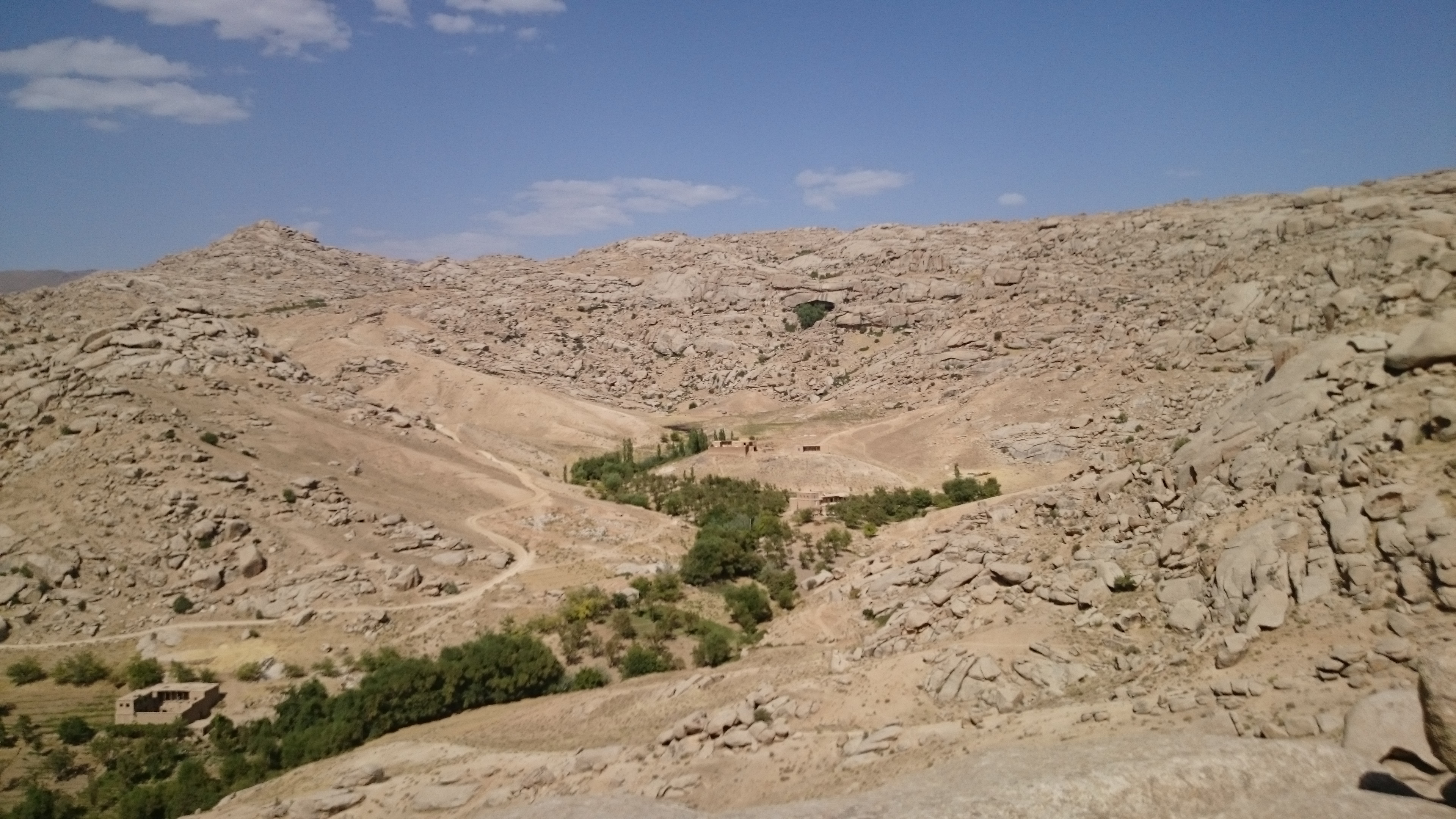
Oral tradition does not carry itself. It travels through people, through relationships, through specific social occasions. In Hazara communities, transmission operated through several distinct channels.
Women were indispensable carriers. Within households, in spaces that male outsiders rarely entered, women passed songs, proverbs, lullabies, and folktales to daughters and grandchildren. The chaharbeiti tradition documented by Doubleday was almost entirely a domestic and ceremonial women's practice: songs performed at weddings, at women's gatherings, in the intimacy of family life. This was not marginal oral tradition. It was the primary vehicle for a distinct layer of cultural knowledge, one that sat largely outside the repertoire of male performers and outside the attention of most early scholars.
Male performers operated in different spaces: wedding celebrations, village gatherings, evening storytelling sessions among men. Master dambura players traveled between villages in Hazarajat, much as bards traveled in other oral cultures. They were not professional entertainers in a modern sense so much as repositories of narrative, people who carried the community's story of itself in their minds and gave it back at the right moments.
Elders of both sexes served as the living archives of proverbs. Hazaragi proverbs are not decorative. They are argumentative tools, used to settle disputes, make decisions, teach the young, and establish social norms. A proverb like "If your father owns the mill, you still must wait your turn to grind your flour" is doing real cultural work. It teaches that status does not suspend obligation. These compressed sayings required no dambura, no occasion, no extended performance, only the right moment and a speaker with the right authority.
What Displacement Does to Oral Tradition
The past five decades have subjected Hazara communities to a form of sustained disruption that is particularly devastating for oral cultures. Oral tradition depends on proximity: on grandparents living near grandchildren, on communal gatherings where singers can perform and listeners can absorb, on the slow, repeated exposure through which a child internalizes not just the words but the music, the timing, the gesture, the context.
Mass displacement, from Hazarajat to Kabul, from Kabul to Iran and Pakistan, from there to Australia, Europe, and North America, broke many of those transmission chains. Children who grew up in refugee camps in Quetta or in Iranian cities like Mashhad were often cut off from the extended family networks through which oral knowledge had traveled. Hazara communities now living in Australia, the UK, Germany, and elsewhere include large numbers of second-generation young people who may know fragments, a half-remembered lullaby, a proverb their grandfather said, a story their mother told once, but have never had the sustained immersion that produces confident transmission.
This is not unique to Hazaras. It is a pattern repeated across many communities forced to move under pressure. But the specific combination of targeting (Hazara communities experienced systematic massacres and persecution across the nineteenth and twentieth centuries), geographic dispersal, and the collapse of Afghan state institutions after 2001 made the disruption unusually acute.
What Is Being Preserved, and by Whom
The response to this disruption has come from multiple directions simultaneously, with varying levels of resources and reach.
Academic scholars have produced some of the foundational documentary work. Mohammad Javad Khavari published a collection of Hazara popular dobaiti in 2003, providing one of the first systematic records of this verse form in print. Ali Akbar Shahrestani produced a study of Hazara folk literature that catalogued forms and themes. Abbas Deljou's work on Hazaragi folklore added another layer of documentation. These publications, mostly in Dari, mostly produced in Afghan academic contexts, are not widely accessible to English-language readers, but they represent serious scholarly engagement with the tradition.
The Hazaragi Academy (Keblagh e Azergi) has done important institutional work, including establishing a formal Hazaragi script and keyboard, creating digital publishing infrastructure, and collecting oral material for print publication. Founder Ali Torani worked for years to systematize what had previously existed only in spoken form.
Community-driven preservation projects have operated on a more grassroots level. In Australia, a community bookmaking project made the Legend of Buz-e-Chini available in Hazaragi, Dari, and English, distributing it through local and national libraries. A direct attempt to put an oral story into the hands of Hazara children growing up far from Hazarajat. Shukria Rezaei, a Hazara scholar and poet living in the UK, launched a project to collect, transcribe, and translate Hazaragi oral and written poetry into English, explicitly framing the work as both cultural documentation and an act of public witness.
The Hazaragi Language Living Dictionary (available online through livingdictionaries.app) represents a digital-age effort to capture vocabulary, including words found in oral tradition but absent from formal Dari dictionaries, through community contributions and recordings.
What has been lost is harder to name precisely, because the nature of loss in oral tradition is that the lost thing leaves no record. Specific narrative cycles, regional variants of well-known tales, the repertoires of individual dambura masters who died without students. These are gone without a trace. The gap in English-language scholarship on Hazara oral tradition is itself significant. Compared to the attention given to oral traditions in sub-Saharan Africa, the Pacific, or Indigenous North America, Central Asian oral traditions remain understudied in Western academic contexts, and Hazaragi specifically has attracted far less attention than it warrants.
A Tradition Still Speaking
It would be a mistake to end here with only loss and documentation. The oral tradition of the Hazara people is not a museum exhibit. It is alive in the dambura players who perform at festivals in Bamiyan when conditions permit, in the grandmothers in Hazara communities abroad who still tell Buz-e-Chini to their grandchildren in San Diego and Denver and Toronto, in the young Hazara poets who write in English but reach back into the verbal rhythms of Hazaragi to find images and music that standard literary English cannot provide.
The forms have adapted. They always have. The doheti traveled from village gatherings to YouTube videos. Chaharbeiti sung at weddings now sometimes appears as voice messages on WhatsApp. The story of Buz-e-Chini, once passed mouth to ear in a Hazarajat household, now sits in an Australian public library in three languages. Oral tradition is not destroyed by writing. It is transformed by it. The question is whether the transformation is slow enough, and accompanied by enough care, for the essential character of the tradition to survive the journey. For the Hazara oral tradition, that work is underway.
Sources consulted:
- Hazaragi Academy - Keblagh e Azergi: Hazaragi Literature
- Aga Khan University: Hazaragi Poetry - Shukria Rezaei project
- Veronica Doubleday / Ethnomusicology Forum (2011): Gendered Voices and Creative Expression in the Singing of Chaharbeiti Poetry in Afghanistan - also via ResearchGate
- Mohajir Times / Substack: The Legend of Buz-E-Chini and Status of Fiction - Verbal Literature of the Hazaras
- Kids' Own Publishing (Australia): The Legend of Buz-e-Chini
- UNESCO / Silk Roads Programme: Intangible Cultural Heritage Workshop, Bamiyan, Afghanistan
- PACA (Performing Arts Center of Afghanistan): Hazara Music
- Dambora.com: Hazaragi Dambora Culture
- Hazaragi Language Living Dictionary: livingdictionaries.app/hazaragi
- Hazaragi Language site: Stories in Hazaragi and Hazaragi Proverbs
- Encyclopaedia Iranica: HAZARA iv. Hazaragi dialect
- ResearchGate / SIL Global: Mongolian loan words in Hazaragi dialect
- City, University of London / Intellect: Representations of exile in Afghan oral poetry and songs
- EveryBodywiki: Buz-e-Chini
- Christeri Irgens-Moller (field research): Charbeit in Hazara songs
ترجمه فارسی
سنت حماسی شفاهی: داستانسرایی هزاره پیش از آنکه نوشته شود
پیش از آنکه کتاب باشد، آواز مادرکلانی در تاریکی بود. پیش از آنکه جُنگهای چاپی باشد، تار دمبورهای در حیاط یک قریه مینواخت و خوانندهای ابیاتی را میخواند که کسی زحمت ثبت آنها بر کاغذ را نکشیده بود، چون همه باور داشتند که حافظه آنها را نگاه خواهد داشت. برای مردم هزارۀ مرکز افغانستان، سنت شفاهی پیشدرآمد ادبیات «واقعی» نبود. خود ادبیات بود. شکلهای آن پیشرفته، اجراکنندگانش ماهر، شنوندگانش سختگیر، و پیکرۀ مواد آن گسترده بود.
این پیکره اکنون زیر فشار است. دهها سال بیجاشدگی، خشونت هدفمند و ازهمگسیختگی شبکههای خانوادگی و اجتماعی، کانالهایی را که دانش شفاهی از یک نسل به نسل دیگر میگذشت، تنگ کرده است. با این حال، این سنت از میان نرفته است. در حال ثبت شدن، مطالعه شدن، و دوباره ساکن شدن توسط جوامع هزاره در خانه و خارج است. درک آن یعنی آغاز نه از تهدید، که از خود این چیز.
سنت شفاهی در اینجا چه معنایی دارد
سنت شفاهی هزارگی از ادبیات نوشتاری دری که در شهرهای افغانستان تولید میشد یا کانون ادبیات کلاسیک فارسی که در نسخههای خطی نگه داشته شده، متمایز است. آن سنتها افتخار و تاریخ خاص خود را دارند. سنت شفاهی هزارگی به سطحی متفاوت تعلق دارد: پیکرۀ ترانهها، قصهها، ابیات و ضربالمثلهایی که در خانهها، در عروسیها، در زمینهای زراعتی، و در گردهماییهای اجتماعی هزارجات، منطقۀ مرکزی کوهستانی افغانستان که جوامع هزاره قرنها در آن زندگی کردهاند، در گردش بود.
زبان کاری هزارگی است، گونهای از دری با صدای متمایز خود و واژگانی که آن را از شکلهای استاندارد نوشتاری جدا میکند. بر اساس یک برآورد پرارجاع، حدود ده درصد از واژگان هزارگی از ریشههای ترکی و مغولی میآید، که بازتاب مهاجرتهای تاریخی است که مردم هزاره را شکل داد. واژههایی مانند اته (پدر)، کته (بزرگ)، بِری (عروس) و الغه (کف دست) رد تماس با مردم و زبانهای آسیای میانه را در خود دارند، که هیچ فرهنگ رسمی دری بهطور کامل ثبت نکرده است. سنت شفاهی، حامل اصلی این لایۀ واژگانی بوده و هست. در سطرهای آوازی، در فرمولهای قصه، در دستور فشردۀ ضربالمثلها زندگی میکرد. وقتی اینها گفته نشود، آن واژهها در معرض رفتن با آنها هستند.
شکلهای اصلی
سنت شفاهی هزارگی یک ژانر واحد نیست بلکه خانوادهای از شکلهای مرتبط است، که هر یک بافت اجرایی خود، قواعد خود و رابطۀ خود را با شنونده دارند.
دوهتی (که دوبیتی نیز نوشته میشود) واحد بنیادی است: یک بیت دو سطری، که گاه به یک قطعۀ چهار سطری گسترش مییابد، که یک مشاهده، احساس یا اخلاق را در زبانی فشرده و اغلب بسیار موسیقایی رمزگذاری میکند. پژوهشگران هزاران بیت از این دست را ثبت کردهاند، که از طریق بزرگسالان از نسلی به نسل دیگر شفاهاً منتقل شدهاند. این ابیات همه چیز را پوشش میدهند، از اشتیاق عاشقانه گرفته تا خرد کشاورزی و گلایۀ سیاسی. کوتاهی آنها قابل حمل، آسان برای حفظ، آسان برای تبادل و آسان برای انطباق ساخته بود. خواننده میتوانست یک دوهتی را بهعنوان قطعهای مستقل ارائه دهد یا چند تا را به یک اجرای بلندتر متصل کند. این شکل انعطافپذیر بود بدون اینکه بیشکل باشد.
چهاربیتی (به معنای «چهار سطر») یک شکل رباعی مرتبط است که در سراسر افغانستان رواج دارد، و در هزارجات صورتبندی متمایزاً هزاره به خود گرفته است. قومموسیقیشناس Veronica Doubleday سنتهای آوازیِ جنسیتیِ پیرامون اجرای چهاربیتی را ثبت کرد و نشان داد که زنان شیوههای اجرایی خود، دغدغههای موضوعی خود و فضاهای غیررسمی خود را برای اجرای این ترانهها داشتند. زنان خود را با دایره (یک طبل قابدار بزرگ) یا طبله همراهی میکردند. موضوعاتشان عشق خانوادگی، تجربۀ شخصی و بافت زندگی روزانه بود. نه موضوعات قهرمانیای که اجراهای مردانه را زیر سلطه داشت، اما نه کمساختهتر و نه کمارزشتر در درون جوامعشان.
داستان به دستۀ گستردهتر روایتگری اشاره دارد: قصههای بلند که میتوانست یک شب یا چند شب طول بکشد و روایت نثری را با ابیات گنجاندهشده، اپیزودهای کمیک را با اپیزودهای جدی، شخصیتهای انسانی را با موجودات فراطبیعی درمیآمیخت. سنت داستان در جهان وسیعتر فارسیزبان باستانی و بهخوبی ثبتشده است، و قصهگویان هزاره با شخصیتها، موضوعات و نقاط ارجاع محلی خود در آن مشارکت داشتند. اینها قصههایی بودند که توسط پیرمردان به مردان جوانتر، و توسط مادرکلانها به کودکان در نور آتش گفته میشدند.
قصههای عامیانه به نثر، کوتاهتر از داستانهای کامل و اپیزودیکتر، اغلب با شخصیتهای حیوانی یا چهرههای بازیگوش، رپرتوار روایی روزانۀ خانه و خانواده را شکل میداد. لالاییها، ترانههای عروسی، ترانههای درو و مرثیهها هر یک فصل و مناسبت خود را داشت، بافته در ریتم سال.
بز چینی و جهانی که قصهها ساختند
افسانۀ مشهور به افسانۀ بز چینی نشان میدهد چگونه قصههای شفاهی معناهایی فراتر از طرح ظاهریشان حمل میکردند. در این قصه، یک بز مادر به نام بز چینی به سه بزغالهاش، الگگ، بلگگ و چلگگ هشدار میدهد که در نبود او در را باز نکنند. یک گرگ حیلهگر دو فرزند را فریب میدهد و میبرد. سومی در تنور گلی پنهان میشود. وقتی بز چینی برمیگردد، با گرگ مستقیماً روبهرو میشود و فرزندانش را پس میگیرد.
این قصه بهعنوان قصۀ کودکانه ساختار یافته است، و همینطور نیز گفته میشد، مادران به کودکان، بزرگسالان به جوانان، در نسلهای پیاپی در هزارجات. اما بسیاری از خوانندگان و پژوهشگران استدلال کردهاند که این قصه وزن سیاسیای داشته که شنوندگانش میفهمیدند. حیلۀ گرگ و رویارویی متهورانۀ بز را میتوان بهگونهای خواند که با تجربههای سلب مالکیت و مقاومتی که جوامع هزاره قرنها از سر گذراندند، تطبیق میکند. پژوهشگرانی که بز چینی را بررسی کردهاند، اشاره میکنند که داستانسرایی عامیانۀ هزاره اغلب آزار و اذیت تاریخی را از طریق چارچوبهای خیالی یا تمثیلی پردازش میکرد. وقتی سخن سیاسی مستقیم خطرناک بود، تخیل راهی دیگر به سوی حقیقت ارائه میداد. هر خانهای این قصه را به این شکل نمیگفت، و خوانشها بر اساس منطقه و خانواده فرق میکند، اما این سطح دوگانه بخشی از آنچه به این افسانه عمر دراز میدهد است.
این ترکیب سرگرمی و حافظۀ رمزگذاریشده، یکی از کهنترین و مهمترین ظرفیتهای سنت شفاهی است. قصهها صرفاً سرگرمکننده نبودند. چیزی را حمل میکردند.
دمبوره و کسانی که آن را مینواختند
هیچ گزارشی از سنت شفاهی هزاره بدون دمبوره کامل نیست. این ساز دوتارِ بلندگردن، که بدنه و گردنش اغلب از یک قطعه چوب توت یا زردآلو تراشیده میشود، سازی است که نزدیکترین گره را با اجرای موسیقی هزاره دارد. دمبوره پرده ندارد. تار بالایی معمولاً یک پایهنوای پیوسته را نگه میدارد در حالی که تار پایینی ملودی را حمل میکند. تکنیک نوازنده ضربی و از نظر ریتمیک پیشبرنده است، که برای اجراهای بلند و برای فضاهای بیرونی یا اجتماعی که مواد شفاهی در آنها خوانده میشد، مناسب است.
دمبوره صرفاً همراهی نیست. یک ساختار یادسپاری است. عمل فیزیکی نواختن، انگشتگذاری خاص، ریتم، تعامل پایهنوا و ملودی، به اجراکنندگان کمک میکند آثار طولانی را در حافظه نگه دارند. خوانندگان استاد (که در ادبیات پژوهشی بهعنوان دمبورهنوازانی توصیف میشوند که همچنین ترانههای روایی را میساختند یا نگه میداشتند) متخصصان سنت شفاهی بودند. آنان انواع ترانهها را قاعدهمند میکردند، روایتهای جاافتاده را نگه میداشتند، و اجراکنندگان جوانتر را آموزش میدادند. یونسکو در یک کارگاه ثبت در ۲۰۱۹، سنت دمبوره را بهطور رسمی بهعنوان عنصر میراث فرهنگی ناملموس که میان جوامع هزاره و ازبک افغانستان مشترک است، شناخت. جشنوارۀ دمبوره در بامیان که پس از ۲۰۰۱ احیا شد، به این سنت دیدۀ عمومی تازهای داد.
چه کسانی این سنت را حمل کردند
سنت شفاهی خود به خود حمل نمیشود. از طریق مردم، از طریق روابط، از طریق مناسبتهای اجتماعی خاص سفر میکند. در جوامع هزاره، انتقال از طریق چند کانال متمایز عمل میکرد.
زنان حاملان ضروری بودند. در درون خانوار، در فضاهایی که مردانِ بیرونی کم وارد میشدند، زنان ترانهها، ضربالمثلها، لالاییها و قصههای عامیانه را به دختران و نواسهها منتقل میکردند. سنت چهاربیتی که Doubleday ثبت کرد، تقریباً بهطور کامل یک شیوۀ زنانۀ خانگی و آیینی بود: ترانههایی که در عروسیها، در گردهماییهای زنانه، در صمیمیت زندگی خانوادگی اجرا میشد. این سنت شفاهی حاشیهای نبود. این حامل اصلی یک لایۀ متمایز از دانش فرهنگی بود، لایهای که عمدتاً خارج از رپرتوار اجراکنندگان مرد و خارج از توجه بیشتر پژوهشگران اولیه قرار داشت.
اجراکنندگان مرد در فضاهای متفاوت عمل میکردند: جشنهای عروسی، گردهماییهای قریهای، نشستهای شبنشینیِ مردانه. دمبورهنوازان استاد میان قریههای هزارجات سفر میکردند، چنانکه نغمهخوانان در دیگر فرهنگهای شفاهی سفر میکردند. آنان به معنای امروزی، سرگرمکنندۀ حرفهای نبودند، بلکه گنجینههای روایت بودند، کسانی که قصۀ خودِ جامعه را در ذهن خود حمل میکردند و آن را در لحظۀ مناسب بازمیگرداندند.
بزرگسالان از هر دو جنس بهعنوان آرشیوهای زندۀ ضربالمثل خدمت میکردند. ضربالمثلهای هزارگی تزئینی نیستند. ابزار استدلالاند، برای حل اختلاف، گرفتن تصمیم، آموزش جوانان، و برقراری هنجارهای اجتماعی به کار میروند. ضربالمثلی مانند «اگر پدرت آسیاب داشته باشد، باز هم باید نوبتت را برای آرد کردن صبر کنی» کار فرهنگی واقعی میکند. میآموزد که مقام، تعهد را معلق نمیکند. این گفتههای فشرده نیازی به دمبوره، مناسبت یا اجرای گسترده نداشتند، فقط لحظۀ درست و گویندۀ مناسب با اقتدار درست.
بیجاشدگی با سنت شفاهی چه میکند
پنج دهۀ گذشته جوامع هزاره را در معرض شکلی از اختلال پایدار قرار داده که برای فرهنگهای شفاهی بهطور خاص ویرانگر است. سنت شفاهی به مجاورت وابسته است: به اینکه پدرانبزرگها نزدیک به نواسهها زندگی کنند، به گردهماییهای جمعی که خوانندگان بتوانند اجرا کنند و شنوندگان بتوانند جذب کنند، به مواجهۀ آرام و مکرری که از طریق آن کودک نه فقط کلمات، که موسیقی، زمانبندی، اشاره و بافت را درونی میکند.
بیجاشدگی دستهجمعی، از هزارجات به کابل، از کابل به ایران و پاکستان، از آنجا به آسترالیا، اروپا و امریکای شمالی، بسیاری از این زنجیرههای انتقال را شکست. کودکانی که در کمپهای پناهندگی در کویته یا در شهرهای ایران مانند مشهد بزرگ شدند، اغلب از شبکههای گستردۀ خانوادگی که دانش شفاهی از طریق آنها سفر میکرد، قطع میشدند. جوامع هزاره که اکنون در آسترالیا، بریتانیا، آلمان و دیگر جاها زندگی میکنند، شامل تعداد زیادی از جوانان نسل دوم هستند که شاید پارههایی بدانند، یک لالاییِ نیمهبهیادمانده، یک ضربالمثل که پدرکلانش گفت، یک قصه که مادرش یک بار گفت، اما هرگز آن غوطهورسازی پایداری که انتقال مطمئن را تولید میکند، نداشتهاند.
این منحصر به هزارهها نیست. الگویی است که در میان بسیاری از جوامعی که زیر فشار به جابهجایی واداشته شدهاند، تکرار میشود. اما ترکیب خاص هدفگیری (جوامع هزاره در طول قرن نوزدهم و بیستم با کشتارها و آزار و اذیت سیستماتیک روبهرو شدند)، پراکندگی جغرافیایی، و فروپاشی نهادهای دولتی افغانستان پس از ۲۰۰۱، اختلال را بهطور غیرمعمول حاد ساخت.
چه چیزی در حال حفظ شدن است، و توسط چه کسانی
پاسخ به این اختلال همزمان از چند جهت آمده، با سطوح متفاوت منابع و دسترسی.
پژوهشگران دانشگاهی برخی از کارهای ثبتیِ بنیادین را تولید کردهاند. محمد جواد خاوری در ۲۰۰۳ مجموعهای از دوبیتیهای عامیانۀ هزاره را منتشر کرد، که یکی از نخستین ثبتهای منظم این شکل بیتی در چاپ را فراهم آورد. علی اکبر شهرستانی پژوهشی دربارۀ ادبیات عامیانۀ هزاره تولید کرد که شکلها و موضوعات را فهرست میکرد. کار عباس دلجو دربارۀ فولکلور هزارگی لایۀ دیگری از ثبت را افزود. این نشریات، بیشتر به دری و بیشتر تولیدشده در بافتهای دانشگاهی افغانستان، برای خوانندگان انگلیسیزبان بهطور گسترده در دسترس نیستند، اما نمایندۀ تعامل پژوهشی جدی با این سنت هستند.
آکادمی هزارگی (Keblagh e Azergi) کار نهادی مهمی انجام داده، از جمله ایجاد یک خط رسمی و صفحهکلید هزارگی، ساختن زیرساخت انتشار دیجیتال، و جمعآوری مواد شفاهی برای انتشار چاپی. علی ترانی، بنیانگذار، سالها کار کرد تا آنچه را که قبلاً فقط در شکل شفاهی وجود داشت، سامان دهد.
پروژههای حفظ مبتنی بر جامعه در سطحی پایهایتر عمل کردهاند. در آسترالیا، یک پروژۀ کتابسازی جامعه افسانۀ بز چینی را به هزارگی، دری و انگلیسی در دسترس قرار داد و آن را از طریق کتابخانههای محلی و ملی توزیع کرد. یک تلاش مستقیم برای گذاشتن یک قصۀ شفاهی در دست کودکان هزارهای که دور از هزارجات بزرگ میشوند. شکریه رضایی، یک پژوهشگر و شاعر هزارۀ ساکن بریتانیا، پروژهای را برای جمعآوری، رونویسی و ترجمۀ شعر شفاهی و نوشتاری هزارگی به انگلیسی راهاندازی کرد، و این کار را بهروشنی هم بهعنوان ثبت فرهنگی و هم بهعنوان عمل شهادت عمومی چارچوببندی کرد.
Hazaragi Language Living Dictionary (که از طریق livingdictionaries.app بهصورت آنلاین در دسترس است) نمایندۀ تلاشی در عصر دیجیتال برای ضبط واژگان است، از جمله واژههایی که در سنت شفاهی یافت میشوند اما در فرهنگهای رسمی دری غایباند، از طریق مشارکتها و ضبطهای جامعه.
آنچه از دست رفته را بهطور دقیق نام بردن دشوارتر است، زیرا ماهیت از دست رفتن در سنت شفاهی این است که چیزِ ازدسترفته هیچ سابقهای به جا نمیگذارد. چرخههای روایی خاص، انواع منطقهای از افسانههای شناختهشده، رپرتوار دمبورهنوازان استادی که بدون شاگرد درگذشتند. اینها بدون اثر رفتهاند. شکاف در پژوهش انگلیسیزبان دربارۀ سنت شفاهی هزاره خود چشمگیر است. در مقایسه با توجه به سنتهای شفاهی در آفریقای زیر صحرا، اقیانوسیه یا بومیان امریکای شمالی، سنتهای شفاهی آسیای میانه در بافتهای دانشگاهی غربی کممطالعه باقی ماندهاند، و هزارگی بهطور خاص توجه بسیار کمتری از آنچه که شایستۀ آن است، به خود جلب کرده است.
سنتی که هنوز سخن میگوید
اشتباه خواهد بود که اینجا فقط با از دست رفتن و ثبت به پایان برسیم. سنت شفاهی مردم هزاره یک نمایشگاه موزه نیست. در دمبورهنوازانی که در جشنوارههای بامیان وقتی شرایط اجازه میدهد اجرا میکنند، در مادرکلانهایی در جوامع هزارۀ خارج که هنوز بز چینی را برای نواسههای خود در سندیاگو و دنور و تورنتو میگویند، در شاعران جوان هزارهای که به انگلیسی مینویسند اما به ریتمهای گفتاری هزارگی دست میبرند تا تصاویر و موسیقیای را بیابند که انگلیسی ادبی استاندارد نمیتواند فراهم آورد، زنده است.
شکلها تطبیق یافتهاند. همیشه چنین بودهاند. دوهتی از گردهماییهای قریهای به ویدیوهای YouTube سفر کرد. چهاربیتیای که در عروسیها خوانده میشد، اکنون گاه بهصورت پیام صوتی در WhatsApp ظاهر میشود. قصۀ بز چینی، که زمانی دهان به گوش در یک خانوار هزارجات منتقل میشد، اکنون به سه زبان در یک کتابخانۀ عمومی آسترالیا قرار دارد. سنت شفاهی با نوشتار ویران نمیشود. توسط آن دگرگون میشود. پرسش این است که آیا این دگرگونی به اندازۀ کافی آرام، و با مراقبت کافی همراه است، تا شخصیت اساسی این سنت سفر را زنده ببرد. برای سنت شفاهی هزاره، این کار در جریان است.