Hazara Embroidery: Pattern, Color, and the Women Who Made Them
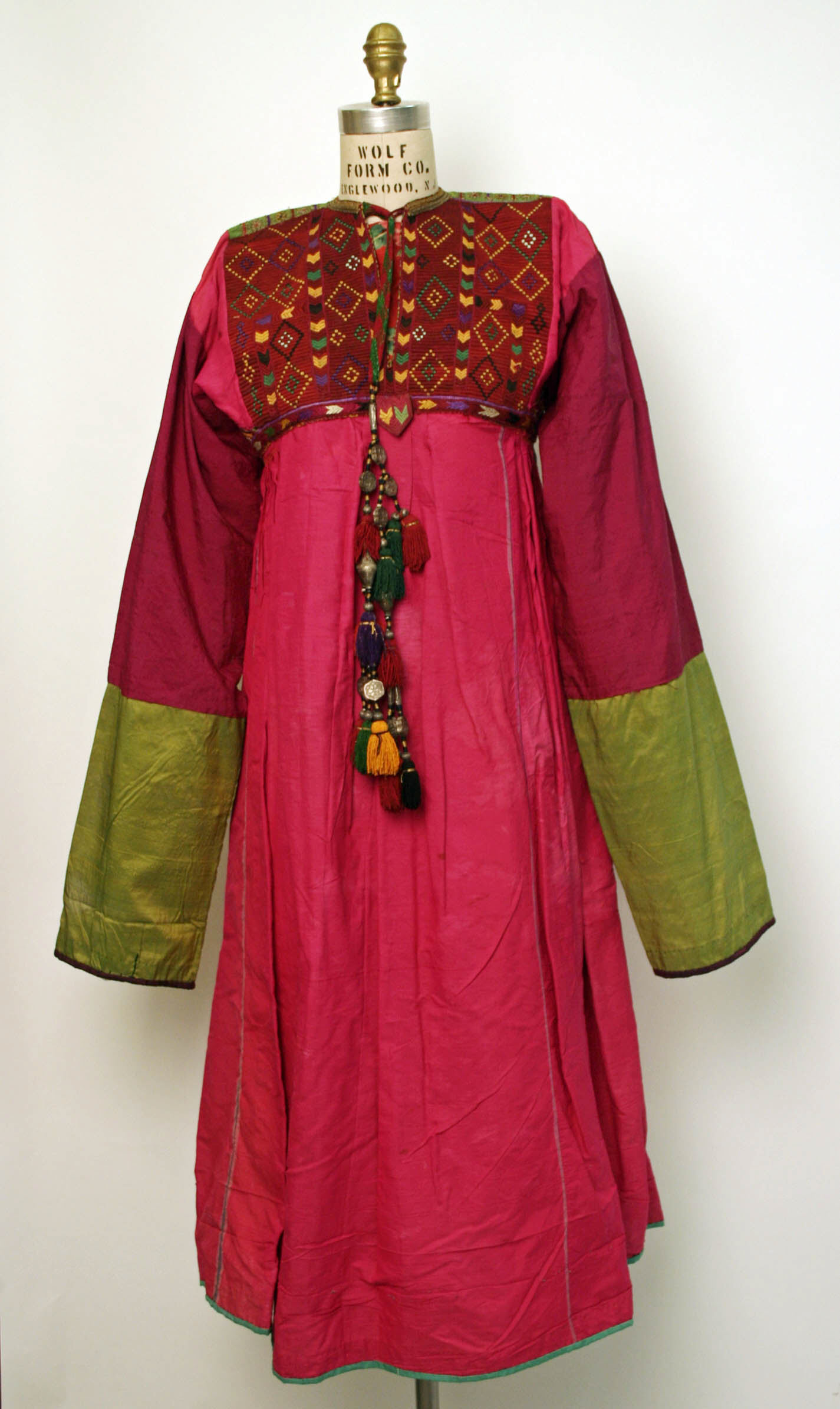
There is a kind of knowledge that lives in the hands. Hazara women have carried it for generations, the tension of silk thread through a fine needle, the count of threads across a cotton ground, the precise repetition of a geometric unit until it fills a chest panel or a border or the flap of a bag. The knowledge was not written down. It passed from mother to daughter, grandmother to granddaughter, in houses across the central highlands of Afghanistan. It produced a body of textile work that is visually distinct, technically demanding, and almost entirely undocumented in English.
The scholarly literature on Afghan textiles tends to focus on Pashtun kuchi embroidery and the internationally traded rugs of Turkmen and Uzbek communities. Hazara embroidery sits in scattered museum records and a handful of specialist textile databases, rarely written about as a living tradition with its own logic and vocabulary. Practices vary by region and by family, and what follows describes broad patterns rather than a single uniform tradition: the stitches, the objects, the occasions, the regions, and the women who have been the tradition's primary makers and custodians.
What the Work Looks Like
Hazara embroidery is fundamentally geometric. Where some Afghan textile traditions incorporate curvilinear floral designs or pictorial elements, Hazara needlework tends toward the structural: repeating units of diamonds, lozenges, chequered bands, interlocking rhomboids, and hooked geometric shapes that build into dense, mathematically organized compositions.
The technique is counted thread work, meaning the embroiderer counts individual threads in the woven ground fabric to place each stitch, rather than drawing a design freehand and stitching over it. This demands a particular kind of attention. Every unit must be exact. The visual effect, when done well, is one of controlled intensity: tight fields of color arranged in geometric sequences, often with strong contrast between adjacent tones.
Several specific stitch traditions are associated with Hazara work. Khamak is among the most celebrated, a fine satin stitch worked on cotton or white fabric, often executed from the reverse side so that the front and back look nearly identical. Giraf, a form of cross-stitch composed of multiple square stitches, produces dense patterning used on borders and hemlines. Qabtumar, also called gulatlaz, uses brick stitch to build geometric patterns in a way that resembles pointillism: small units of bright color with black thread running between them to accentuate and separate. Chirma dozi employs metallic silver and gold threads for decorative effects on garment panels and accessories.
The color palette is vivid but not arbitrary. Red, green, gold, and black appear consistently across regions. Bamiyan work has been documented with celadon, pink, orange, and red interlocking in rhomboid patterns. Ghazni work often uses multi-colored silk thread on a cotton ground, with black and white dividing lines worked in double running stitch to separate color fields. Festival and bridal pieces add metallic thread (zari), sequins, and beads. Everyday garments tend toward simpler arrangements with fewer colors and less density.
The Garments and Objects It Adorns
The most embroidered surface in a Hazara woman's wardrobe is the chest panel of her dress, the section covering the bodice and upper front, which in festive pieces can be almost entirely covered in stitching. The dense, all-over approach is called zamin-dozi (ground embroidery), and it is the standard for wedding and ceremonial dress. A contrasting approach, gul-dozi (flower embroidery), places stylized floral and geometric motifs more loosely around the bodice, cuffs, and hemline, more typical of daily wear.
Beyond the chest panel, embroidery concentrates at the points of visual emphasis on a garment: sleeves, cuffs, skirt fronts, and hems. Women's waistcoats add another embellished surface, often with buttons, beads, silver coins, and shells alongside needlework. Embroidered skull caps have been a standard part of Hazara male dress in many communities.
The tradition extends beyond clothing. Hazara women have embroidered bags to hold the Quran, as well as purses, coin pouches, makeup bags, belts, and napkins. Among the most significant non-garment objects are the textiles covering the prayer stone used in Shia practice. These pieces typically depict a prayer niche (mihrab) and the two severed hands of Hazrat Abbas, a figure central to Shia devotion. Embroidered texts invoking Allah or Shia martyrs also appear on these pieces. The stitching here is not decoration. It is religious expression.
Regional Variations Across Hazarajat
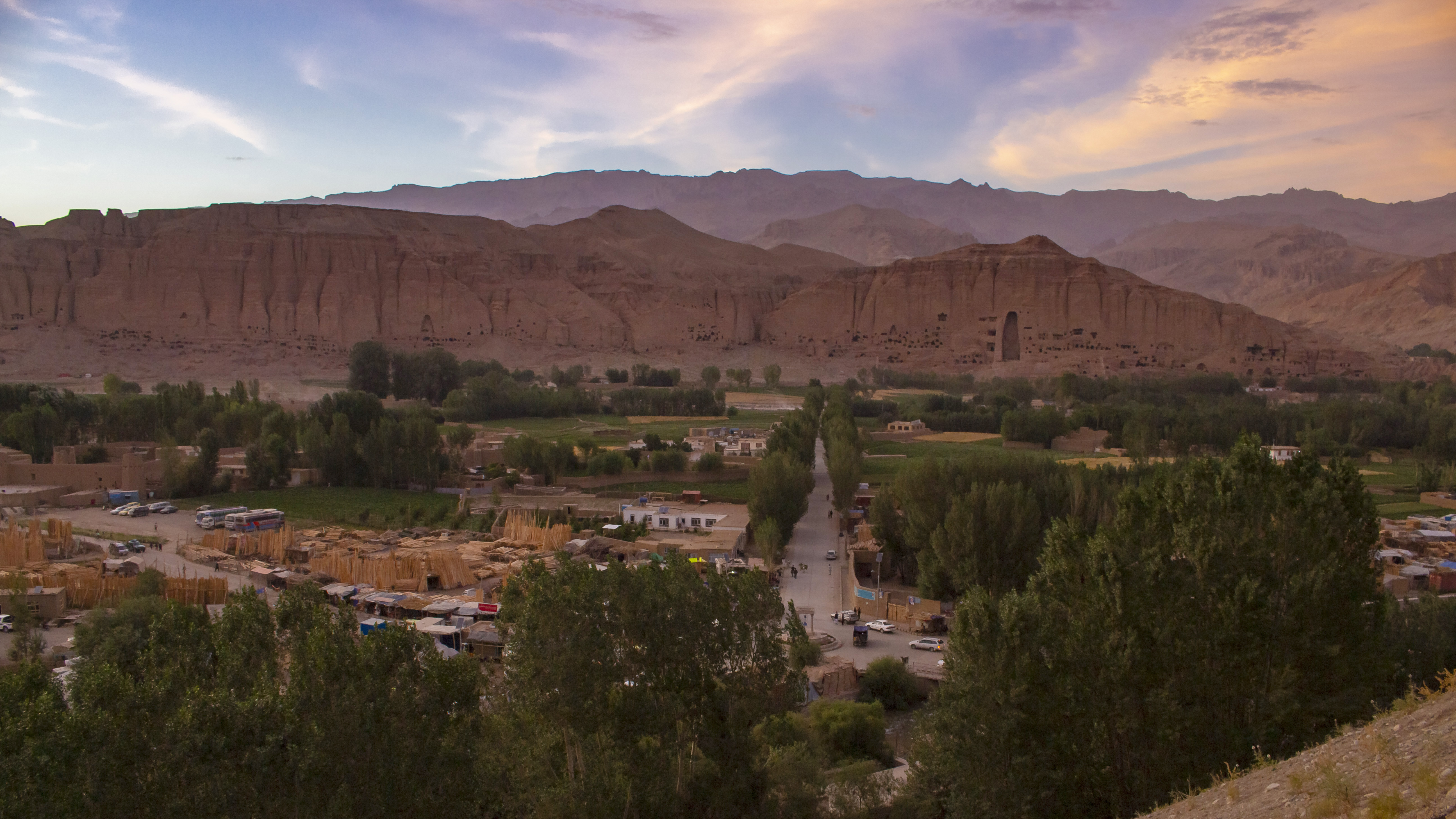
Hazarajat, the central highland region that has historically been the Hazara heartland, is not a uniform landscape, and the embroidery it has produced is not uniform either. Different provinces developed distinct signatures over generations, shaped by local materials, proximity to neighboring communities, and the particular tastes of the women working in each area.
Wardak province, southwest of Kabul, is associated with multi-colored geometric designs worked in double running stitch (also called Holbein stitch), which produces identical patterns on both sides of the fabric. Bamiyan, the cultural and geographic center of Hazarajat, has its own celebrated tradition, and the giraf, khamak, and qabtumar techniques are especially associated with Bamiyan work. Ghazni, to the east, produces work distinguished by its strict organization: rectangles and squares enclosing geometric patterns of chequered bands or lozenges, typically rendered in silk thread on cotton using brick stitch or short satin stitches. The dividing lines between color fields in Ghazni work are characteristically black and white, worked in double running stitch, a visual signature that sets it apart from Bamiyan and Wardak styles. Daikundi, to the south, shows influences from neighboring communities whose embroidery traditions have long been in contact with Hazara work along the geographic boundaries.
These distinctions were, for most of the tradition's history, unwritten. A woman in Ghazni knew how her village embroidered, and she knew it differed from what came out of Bamiyan. The documentation that would let a researcher, or a second-generation Hazara in Calgary or Birmingham, compare those differences systematically has only begun to exist in fragmentary form through museum cataloguing in recent decades.
Women as Makers and Custodians
Hazara embroidery has been almost entirely women's work. Girls typically began learning the basic stitches in early childhood, practicing on small pieces under the guidance of mothers or grandmothers. By the time a young woman was preparing for marriage, competency in embroidery was both a practical skill and a social marker, evidence of the care and craft she would bring to her household.
The learning happened in domestic space, not in formal instruction. Techniques passed through proximity and imitation: watching, being corrected, practicing the same stitch until the tension was right. This informal transmission meant the knowledge depended on the continuity of family and community. It did not live in books or workshops. It lived in the hands of the women who had learned it, which meant displacement, and Hazara communities have faced it repeatedly across more than a century, could sever the chain.
Embroidery also served an economic function. Skilled embroiderers in Afghan cities earned meaningful income through workshop production for retail markets in Kabul and through traders connecting Afghan craftwork to buyers abroad. The sums were modest by international standards but materially significant in the household economies they sustained.
Embroidery Under Restriction
The Taliban's return to power in August 2021 transformed the conditions under which Afghan women's needlework exists. Vocational training for women was curtailed. Restrictions on women conducting independent commerce reshaped how embroiderers could sell. Machine-made alternatives from neighboring countries, sold for a fraction of the price of handwork, undercut what remained of the market. Embroiderers have described relying on travelers willing to carry pieces abroad as one of the few channels left for export. Skilled craftswomen who had sustained themselves through needlework found the market effectively closed. Some stopped working. Others continued without income, maintaining the practice because abandoning it felt like one more loss on top of losses already compounding.
Within Afghanistan, the tradition survives in diminished and economically stressed form. Vocational programs run by women-led NGOs and international agencies have offered cherma dozi training in Bamiyan and elsewhere, providing instruction alongside tools, machines, and raw materials so women can continue working. These initiatives combine economic function with something harder to quantify: the maintenance of a practice that would otherwise be lost.
For Hazara communities outside Afghanistan, in Iran, Pakistan, Australia, Canada, and across Europe, embroidery is no longer a daily practice for most. It functions as a marker of cultural identity, carrying real weight for people who grew up with it in their homes. Small enterprises run by Hazara women abroad have begun blending traditional needlework with contemporary design, one of several ways the tradition persists and adapts outside its original context.
Contemporary Artists Working with the Tradition
A small number of contemporary artists with Hazara backgrounds have brought embroidery into gallery and design contexts. One body of work involves photographing portraits and stitching over the faces with cotton thread, obscuring identity while conferring a new one. Other experimental projects have stitched Hazara geometric designs onto unconventional grounds, including currency and printed photographs, asserting Hazara visual culture inside frames where it has not historically appeared.
Designers working from Afghan diaspora communities have also begun digitizing and publishing Afghan embroidery motifs as design references, ensuring that the patterns survive as documented vocabulary even where the living context for producing them has been disrupted. This kind of work is part documentation, part design resource, part insurance against further loss.
Documentation, Scarcity, and What Remains
The Textile Research Centre in Leiden holds one of the more systematically documented collections of Hazara dress and embroidery outside Afghanistan, including bags and garments collected through field work over many years. Its publicly accessible online encyclopaedia of decorative needlework contains some of the most detailed English-language technical description of Hazara embroidery currently available. The Victoria and Albert Museum in London has displayed Hazara dress and embroidery in recent years, alongside the observation that needlework helps to maintain a sense of communal identity for the Hazara people. Museum display preserves objects well. It is less able to capture how a woman in Ghazni held her needle, or what name her daughter gave the stitch she was learning.
The English-language documentation on the subject remains thin. There is no comprehensive monograph on Hazara textile arts. What exists is fragmentary: scattered catalogue entries, a handful of scholarly database records, and the work of artists and designers who are themselves part of a tradition they are also trying to preserve. That scarcity reflects a broader pattern by which Hazara cultural production has been underrepresented, treated as peripheral to main narratives of Afghan art history, less visible to international collectors than the traded rug traditions of other Afghan communities.
The tradition is not minor. The documentation is what is minor, and that gap is itself part of the story. The women who created this work did so without any expectation of documentation. They made what they needed, wedding dresses, prayer objects, household items, and they made it beautifully, with precise geometric logic and vivid color, stitch by counted stitch. That the work existed at all, across generations of displacement and marginalization, is the starting point for understanding what it means.
ترجمه فارسی
سوزندوزی هزاره: نقش، رنگ، و زنانی که آن را ساختند
نوعی از دانش هست که در دستها زندگی میکند. زنان هزاره نسل به نسل آن را حمل کردهاند؛ کشش نخ ابریشمی از سوزن نازک، شمارش تار و پود روی پارچۀ نخی، تکرار دقیق یک واحد هندسی تا آنکه پنل سینه یا حاشیه یا لبۀ بکس را پر کند. این دانش نوشته نشد. از مادر به دختر، از مادرکلان به نواسه، در خانههای سرتاسر هزارجات افغانستان دست به دست شد. این دانش، پیکرهای از کار پارچهای را پدید آورد که از نظر بصری متمایز، از نظر تکنیکی دشوار، و تقریباً بهطور کامل به زبان انگلیسی ثبتنشده است.
ادبیات علمی دربارۀ پارچهبافی افغانستان معمولاً بر گلدوزی کوچی پشتون و فرشهای صادراتیِ جوامع ترکمن و ازبک متمرکز است. سوزندوزی هزاره در ثبتهای پراکندۀ موزهها و چند پایگاه دادۀ تخصصی پارچه قرار دارد و بهندرت به عنوان یک سنت زنده با منطق و واژگان مخصوص به خود نوشته میشود. شیوهها بر اساس منطقه و خانواده فرق میکند، و آنچه در پی میآید الگوهای کلی را توصیف میکند نه یک سنت یکنواخت: کوکها، اشیا، مناسبتها، مناطق، و زنانی که سازندگان و نگهبانان اصلی این سنت بودهاند.
این کار چگونه دیده میشود
سوزندوزی هزاره در بنیاد خود هندسی است. در حالی که برخی سنتهای پارچهبافی افغانستان طرحهای گلداری منحنی یا عناصر تصویری را وارد میکنند، سوزندوزی هزاره به سوی ساختار میل دارد: واحدهای تکراری از لوزیها، الماسها، نوارهای شطرنجی، چهارلوییهای درهمتنیده، و شکلهای هندسی قلابدار که به ترکیبهای متراکم و از نظر ریاضی سازمانیافته میرسند.
تکنیک، کارِ نخشماری است، یعنی سوزندوز تار به تار پارچۀ بافتهشده را میشمارد تا هر کوک را در جای دقیق آن بگذارد، نه آنکه طرح را آزادانه ترسیم کند و رویش بدوزد. این کار به نوعی خاص از توجه نیاز دارد. هر واحد باید دقیق باشد. اثر بصری، وقتی خوب انجام شود، یک شدت کنترلشده است: میدانهای تنگ رنگ که در توالیهای هندسی چیده شدهاند، اغلب با تضاد قوی میان تنهای همجوار.
چند سنت کوک خاص با کار هزاره مرتبط است. خمک از پرآوازهترین آنهاست، یک کوک ساتن ظریف که روی پارچۀ نخی یا سفید کار میشود و اغلب از سمت پشت اجرا میشود بهگونهای که جلو و عقب تقریباً یکسان دیده شوند. گیراف، نوعی کوک ضربدری مرکب از چند کوک مربعی، نقشهای متراکمی پدید میآورد که در حاشیهها و لبهها به کار میرود. قبهتومار، که گلاطلز نیز خوانده میشود، از کوک خشتی استفاده میکند تا الگوهای هندسی را به شیوهای بسازد که شبیه نقطهچینی است: واحدهای کوچک از رنگ روشن با نخ سیاهی که میان آنها میگذرد تا تأکید کند و جدا سازد. چرما دوزی از نخهای فلزی نقرهای و طلایی برای جلوههای تزئینی روی پنلهای لباس و لوازم استفاده میکند.
پالت رنگ پرنشاط است اما دلبخواه نیست. سرخ، سبز، طلایی و سیاه بهطور پیوسته در همۀ مناطق دیده میشوند. کار بامیان با رنگهای مهتابی، صورتی، نارنجی و سرخ که در نقشهای چهارلویی درهم میروند، ثبت شده است. کار غزنی اغلب از نخ ابریشم چندرنگ روی زمینۀ نخی استفاده میکند، با خطوط جداکنندۀ سیاه و سفید که با کوک دو-روان اجرا میشوند تا میدانهای رنگی را از هم جدا کنند. قطعات جشن و عروسی نخ فلزی (زری)، پولک و مهره میافزایند. لباسهای روزمره بهسوی ترتیبهای سادهتر با رنگهای کمتر و تراکم کمتر میل دارند.
لباسها و اشیایی که آن را میآرایند
پُرگلدوزیترین سطح در کمد یک زن هزاره، پنل سینۀ پیراهن اوست، بخشی که بالاتنه و سینۀ فوقانی را میپوشاند، و در قطعات جشن میتواند تقریباً بهطور کامل با کوک پوشانده شود. این رویکرد متراکم و سراسری زمیندوزی نام دارد، و استاندارد لباس عروسی و مراسم است. رویکرد متضاد، گلدوزی، نقشمایههای گل و هندسیِ سبکشده را آزادتر دور تا دور بالاتنه، سرآستین و لبۀ دامن میگذارد، که برای لباسهای روزانه معمولتر است.
فراتر از پنل سینه، سوزندوزی روی نقاط تأکید بصری لباس متمرکز میشود: آستینها، سرآستینها، جلو دامن و لبهها. واسکت زنانه سطح دیگری برای تزئین میافزاید، اغلب با دکمه، مهره، سکۀ نقره و صدف در کنار کار سوزن. کلاههای سرِ گلدوزیشده در بسیاری از جوامع، بخشی استاندارد از لباس مردانۀ هزاره بودهاند.
این سنت از لباس فراتر میرود. زنان هزاره بکسهایی برای نگهداری قرآن، و همچنین کیفها، کیف پول، کیف لوازم آرایش، کمربند و دستمالها را گلدوزی کردهاند. از مهمترین اشیای غیرپوشاکی، پارچههایی است که سنگ مهرِ کاربردی در عبادت شیعی را میپوشاند. این قطعات معمولاً یک محراب و دو دست بریدۀ حضرت عباس را تصویر میکنند، که چهرهای محوری در ارادت شیعی است. متنهای دوزیشده با نام الله یا شهدای شیعه نیز روی این قطعات ظاهر میشوند. کوک در اینجا تزئین نیست. بیان دینی است.
تفاوتهای منطقهای در هزارجات
هزارجات، منطقۀ کوهستانی مرکزی که از نظر تاریخی قلب سرزمین هزاره بوده، چشماندازی یکدست نیست، و سوزندوزیای که در آن تولید شده نیز یکدست نیست. ولایتهای مختلف در طول نسلها امضاهای متمایز خود را پروراندهاند، شکلگرفته با مواد محلی، نزدیکی به جوامع همسایه، و سلیقۀ خاص زنانی که در هر منطقه کار میکردهاند.
ولایت وردک، در جنوب غرب کابل، با طرحهای هندسی چندرنگ که با کوک دو-روان (که به آن کوک هولباین نیز میگویند) اجرا میشود، مرتبط است، که نقشهای یکسان روی هر دو سمت پارچه را تولید میکند. بامیان، مرکز فرهنگی و جغرافیایی هزارجات، سنت پرآوازۀ خاص خود را دارد، و تکنیکهای گیراف، خمک و قبهتومار بهویژه با کار بامیان مرتبطاند. غزنی، در شرق، کاری تولید میکند که با سازمانبندی سختگیرانهاش متمایز است: مستطیلها و مربعهایی که الگوهای هندسی نوارهای شطرنجی یا الماسها را در بر میگیرند، که معمولاً با نخ ابریشم روی پارچۀ نخی با کوک خشتی یا کوک ساتن کوتاه اجرا میشوند. خطوط جداکننده میان میدانهای رنگی در کار غزنی بهطور مشخص سیاه و سفید هستند و با کوک دو-روان اجرا میشوند، یک امضای بصری که آن را از سبکهای بامیان و وردک جدا میکند. دایکندی، در جنوب، تأثیراتی از جوامع همسایه نشان میدهد که سنتهای سوزندوزیشان مدتهاست در امتداد مرزهای جغرافیایی با کار هزاره در تماس بودهاند.
این تمایزها، در بخش اعظم تاریخ این سنت، نانوشته بودند. زنی در غزنی میدانست که قریۀ او چگونه گلدوزی میکند، و میدانست که آن با آنچه از بامیان میآید فرق دارد. مستنداتی که به یک پژوهشگر، یا یک هزارۀ نسل دوم در کلگری یا برمنگهام اجازه دهد این تفاوتها را بهطور منظم مقایسه کند، تنها در دهههای اخیر و بهصورت پارهپاره از طریق فهرستنگاری موزهها آغاز شده است.
زنان بهعنوان سازنده و نگهبان
سوزندوزی هزاره تقریباً بهطور کامل کار زنانه بوده است. دختران معمولاً در سنین کودکیِ آغازین آموختن کوکهای ابتدایی را شروع میکردند، روی قطعات کوچک زیر نظر مادر یا مادرکلان تمرین میکردند. تا زمانی که یک زن جوان آمادۀ ازدواج میشد، تسلط بر سوزندوزی هم یک مهارت عملی بود و هم یک نشانۀ اجتماعی، گواهی از مراقبت و هنری که او به خانۀ خویش خواهد آورد.
آموزش در فضای خانگی رخ میداد، نه در آموزش رسمی. تکنیکها از طریق نزدیکی و تقلید منتقل میشدند: تماشا کردن، تصحیح شدن، تکرار همان کوک تا آنکه کشش درست شود. این انتقال غیررسمی به این معنا بود که این دانش به استمرار خانواده و جامعه وابسته بود. در کتاب یا کارگاه نمیزیست. در دست زنانی میزیست که آن را آموخته بودند، که معنایش این بود که بیجاشدگی، که جوامع هزاره طی بیش از یک قرن بارها با آن روبهرو شدهاند، میتوانست این زنجیر را پاره کند.
سوزندوزی همچنین کارکرد اقتصادی داشت. سوزندوزان ماهر در شهرهای افغانستان از طریق تولید کارگاهی برای بازارهای خردهفروشی کابل و از طریق تاجرانی که کارهای دستی افغانستان را به خریداران بیرونی وصل میکردند، درآمد قابل توجهی به دست میآوردند. مبالغ بر اساس استانداردهای بینالمللی متواضع بود اما در اقتصاد خانگیای که آن را پایدار میکرد، از نظر مادی مهم بود.
سوزندوزی زیر محدودیت
بازگشت طالبان به قدرت در اگست ۲۰۲۱ شرایطی را که سوزندوزی زنان افغانستان در آن وجود داشت، دگرگون کرد. آموزش حرفهای برای زنان محدود شد. محدودیتها بر تجارت مستقل زنان، شیوۀ فروش سوزندوزان را تغییر داد. جایگزینهای ماشینیِ کشورهای همسایه که به یکچندم قیمت کار دستی فروخته میشدند، آنچه از بازار باقی مانده بود را زیر فشار گذاشتند. سوزندوزان گفتهاند که برای صادرات، اتکا به مسافرانی که حاضرند قطعات را به خارج ببرند، یکی از کانالهای اندک باقیمانده شده است. زنان هنرمندی که خود را از طریق سوزندوزی تأمین میکردند، بازار را عملاً بسته یافتند. برخی دست از کار کشیدند. دیگران بدون درآمد ادامه دادند، و این کار را حفظ کردند چون کنار گذاشتن آن مانند یک از دست دادنِ دیگر روی فقدانهایی بود که از پیش روی هم انباشته میشدند.
در داخل افغانستان، این سنت در شکل کمرنگ و از نظر اقتصادی تحت فشار، دوام آورده است. برنامههای حرفهای که توسط نهادهای غیردولتی به رهبری زنان و آژانسهای بینالمللی اجرا میشوند، آموزش چرما دوزی را در بامیان و دیگر جاها ارائه کردهاند و آموزش را در کنار ابزار، ماشین و مواد خام فراهم میکنند تا زنان بتوانند به کار ادامه دهند. این اقدامات کارکرد اقتصادی را با چیزی دشوارتر برای اندازهگیری ترکیب میکنند: حفظ یک سنت که در غیر این صورت از دست خواهد رفت.
برای جوامع هزاره خارج از افغانستان، در ایران، پاکستان، آسترالیا، کانادا و سراسر اروپا، سوزندوزی دیگر برای بیشتر افراد یک کار روزانه نیست. این کار بهعنوان نشانهای از هویت فرهنگی عمل میکند و برای کسانی که با آن در خانههایشان بزرگ شدهاند، وزن واقعی دارد. کارگاههای کوچک متعلق به زنان هزاره در خارج، آغاز به ترکیب سوزندوزی سنتی با طراحی معاصر کردهاند، که یکی از چند راهی است که این سنت بیرون از بافت اصلی خود ادامه مییابد و سازگار میشود.
هنرمندان معاصر و کار با این سنت
شمار اندکی از هنرمندان معاصر با پیشینۀ هزاره، سوزندوزی را به فضای گالری و طراحی آوردهاند. یک بدنه از کار شامل عکاسی پرترهها و دوختن روی چهرهها با نخ نخی است که هویت را پنهان میکند در حالی که هویت تازهای میبخشد. پروژههای تجربی دیگر، طرحهای هندسی هزاره را روی زمینههای غیرمتعارف دوختهاند، از جمله روی پول و عکسهای چاپی، و فرهنگ بصری هزاره را در قابهایی مدعی میشوند که تاریخی در آن نداشته است.
طراحانی که از جوامع هزارههای مقیم خارج کار میکنند نیز شروع به دیجیتالی کردن و انتشار نقشمایههای سوزندوزی افغانستان بهعنوان مرجع طراحی کردهاند، تا اطمینان حاصل شود که این نقشها بهعنوان واژگان مستندشده باقی بمانند، حتی در جایی که بستر زندۀ تولید آنها از هم گسیخته شده است. این کار بخشی ثبت، بخشی منبع طراحی، و بخشی بیمه در برابر از دست رفتن بیشتر است.
ثبت، کمبود، و آنچه باقی میماند
Textile Research Centre در لیدن یکی از منظمترین مجموعههای ثبتشدۀ لباس و سوزندوزی هزاره را خارج از افغانستان دارد، شامل بکسها و لباسهایی که از طریق کار میدانی طی سالها جمعآوری شدهاند. دانشنامۀ آنلاینِ آزادِ این مرکز دربارۀ سوزندوزی تزئینی، شامل برخی از دقیقترین توصیفهای فنی به زبان انگلیسی از سوزندوزی هزاره است که اکنون در دسترس است. Victoria and Albert Museum در لندن در سالهای اخیر لباس و سوزندوزی هزاره را به نمایش گذاشته است، در کنار این مشاهده که سوزندوزی به حفظ حسی از هویت جمعی برای مردم هزاره کمک میکند. نمایش موزهای اشیا را خوب حفظ میکند. کمتر میتواند بفهماند که زنی در غزنی چگونه سوزن خود را در دست میگرفت، یا دختر او چه نامی به کوکی که میآموخت میداد.
ثبت انگلیسیزبان دربارۀ این موضوع کم است. هیچ تکنگاشت جامعی دربارۀ هنرهای پارچهای هزاره وجود ندارد. آنچه هست پارهپاره است: مدخلهای پراکندۀ فهرستنامهها، چند ثبت در پایگاههای داده علمی، و کار هنرمندان و طراحانی که خود بخشی از سنتی هستند که در عین حال سعی در حفظ آن دارند. این کمبود الگویی وسیعتر را بازتاب میدهد که در آن تولید فرهنگی هزاره کمنمایی شده، حاشیهای نسبت به روایتهای اصلی تاریخ هنر افغانستان قلمداد شده، و برای کلکسیونرهای بینالمللی نسبت به سنتهای فرش صادراتیِ دیگر جوامع افغانستان کمدیدهتر بوده است.
این سنت کوچک نیست. آنچه کوچک است، مستندات است، و این شکاف خود بخشی از داستان است. زنانی که این کار را آفریدند، بدون هیچ انتظاری از ثبت چنین کردند. آنچه نیاز داشتند ساختند، لباسهای عروسی، اشیای عبادی، اقلام خانگی، و آن را زیبا ساختند، با منطق هندسیِ دقیق و رنگ پرنشاط، کوک به کوک شمارششده. اینکه این کار اصلاً وجود داشت، در طی نسلهایی از بیجاشدگی و به حاشیه راندن، نقطۀ آغازی است برای فهم آنچه که این کار بدان معنی است.